.png)
What Is Skin Rejuvenation Treatment? Your Clear Guide

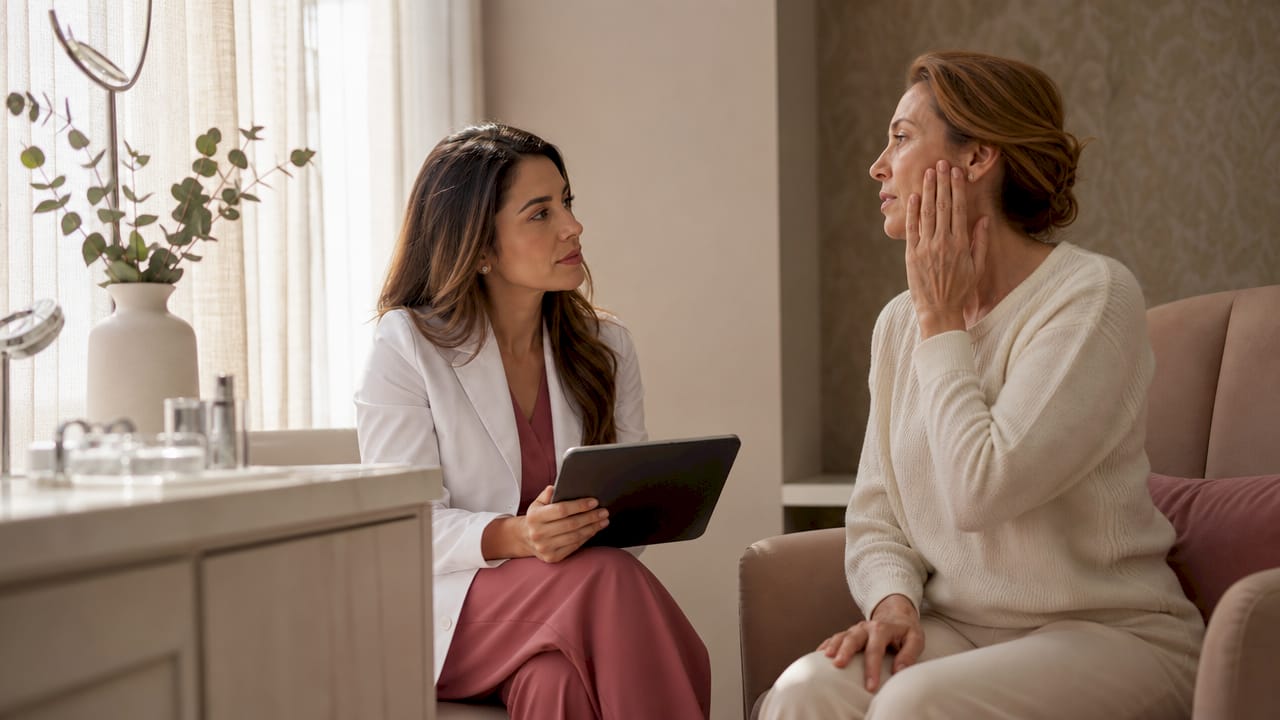
Skin rejuvenation treatment is any clinical procedure designed to improve skin quality at a cellular level by promoting collagen production and enhancing texture, tone, or firmness. According to Johns Hopkins Medicine, these treatments address fine lines, wrinkles, sun damage, pigmentation, and laxity through methods including lasers, chemical peels, microneedling, and injectables. The term “skin rejuvenation” is widely used in aesthetic medicine, though clinicians often refer to specific procedures by their technical names, such as laser resurfacing, fractional photothermolysis, or dermal remodeling. Understanding the differences between these approaches helps you make confident, informed decisions about your skin health.
How do different skin rejuvenation treatments work?
Skin rejuvenation techniques work by triggering the skin’s natural repair processes, most commonly through controlled injury, heat, or light energy that stimulates collagen remodeling. The result is fresher, firmer skin with improved tone and reduced signs of aging. Here is how the main categories work.
Laser treatments are among the most studied skin revitalization methods available. Ablative lasers vaporize the top skin layers, producing dramatic results but requiring 4 to 6 weeks of healing. Nonablative lasers heat the skin without removing it, offering gentler effects and shorter recovery, though they typically require 4 to 6 sessions to achieve comparable improvement. Beyond aesthetics, nonablative fractional lasers can also reduce the risk of nonmelanoma skin cancers while improving texture and tone, with roughly one week of downtime.
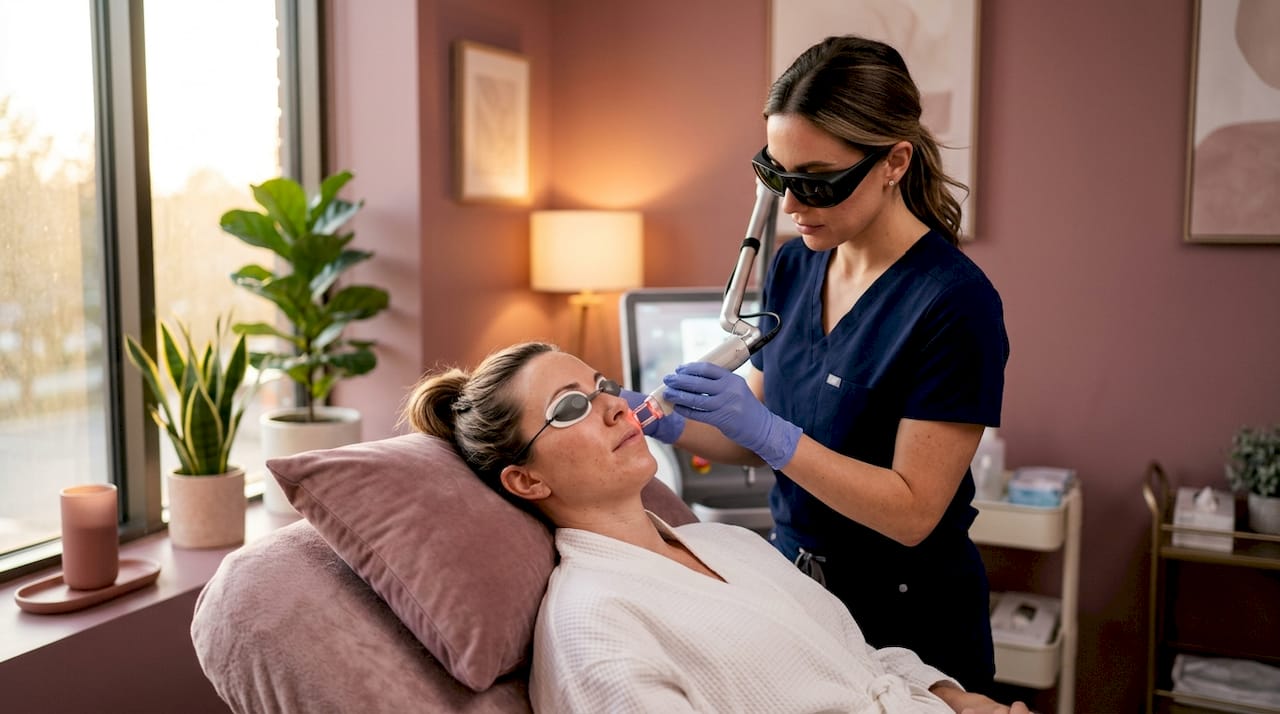
Chemical peels use acids such as glycolic, lactic, salicylic, or trichloroacetic acid to dissolve the outermost skin layers. This controlled exfoliation removes damaged cells and signals the dermis to produce new collagen. Superficial peels address dullness and mild pigmentation, while medium and deep peels target deeper wrinkles and significant sun damage.
Injectables work differently. Botulinum toxin and dermal fillers remain foundational in non-surgical facial rejuvenation, targeting dynamic wrinkles and restoring lost volume. Hyaluronic acid fillers add immediate plumpness, while biostimulatory agents like poly-L-lactic acid encourage the body to produce its own collagen over several months.
Energy-based devices include radiofrequency, ultrasound (such as Ultherapy), and red light therapy. Red light therapy stimulates mitochondria to increase collagen production and reduce fine lines, pigmentation, and redness. It requires multiple treatments weekly over 4 to 6 months and carries minimal side effects, making it one of the gentler options available.
Laser resurfacing: targets surface damage and deep wrinkles
Chemical peels: improve tone, texture, and pigmentation
Injectables: address volume loss and dynamic wrinkles
Radiofrequency and ultrasound: tighten lax skin without surgery
Red light therapy: supports collagen and reduces inflammation
Pro Tip: Combining treatment modalities consistently outperforms single-method approaches. Energy-based devices paired with injectables and peels offer synergistic effects by targeting different skin layers simultaneously.
What are the pros, cons, and recovery expectations?
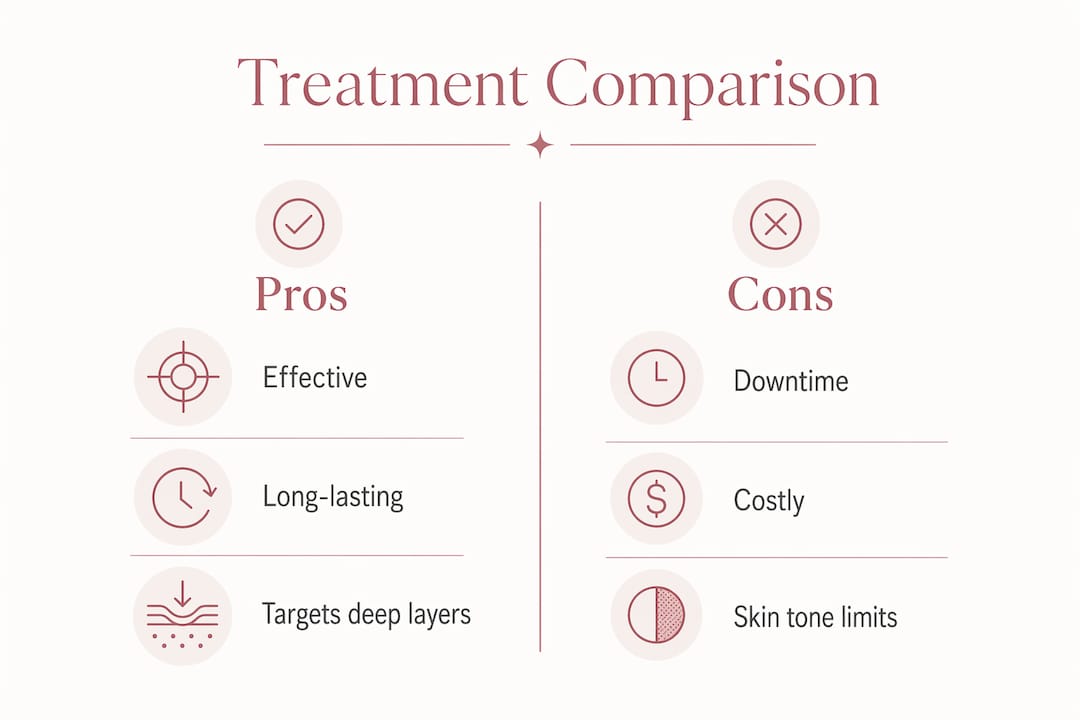
Choosing the right approach means weighing results against downtime, cost, and your skin’s specific needs. No single method is best for everyone, and understanding the trade-offs helps you set realistic expectations before you book.
Treatment | Results | Downtime | Best for |
Ablative laser | Dramatic, long-lasting | 4 to 6 weeks | Deep wrinkles, significant sun damage |
Nonablative laser | Gradual, moderate | 1 week or less | Texture, tone, mild laxity |
Chemical peel | Moderate to strong | 3 to 14 days depending on depth | Pigmentation, dullness, fine lines |
Dermal fillers | Immediate volume | Minimal (1 to 2 days) | Volume loss, nasolabial folds |
Botulinum toxin | Smoothed dynamic wrinkles | None | Forehead lines, crow’s feet |
Red light therapy | Gradual, subtle | None | Redness, fine lines, maintenance |
Ablative lasers deliver the most visible transformation, but the recovery is real. Post-laser care involving gentle cleansing, ointments, and strict sun avoidance is critical for 7 to 10 days, with full skin renewal taking 4 to 6 weeks. Skipping this step increases the risk of infection, prolonged redness, and uneven pigmentation.
Skin tone matters significantly when selecting a laser. Nonablative options are better suited for medium to darker skin tones because ablative lasers carry a higher risk of post-inflammatory hypopigmentation in those skin types. A qualified clinician will adjust fluence settings based on your Fitzpatrick skin type to minimize this risk.
Chemical peels and injectables carry their own considerations. Peels can cause temporary redness, flaking, and sensitivity, particularly at medium depth. Injectables require a clinician with strong anatomical knowledge, as placement errors with fillers can cause vascular complications. Always verify credentials before any injectable treatment.
Pro Tip: Sun protection is not optional after any skin rejuvenation procedure. SPF 50 applied daily for at least 4 weeks post-treatment protects new collagen, prevents rebound pigmentation, and preserves your results far longer than the treatment alone.
How to choose the right skin rejuvenation treatment for you
Selecting the best skin rejuvenation treatment is not about choosing the most popular option. It is about matching the method to your skin type, concerns, lifestyle, and realistic goals. Here is a practical framework.
Identify your primary concern. Fine lines and wrinkles respond well to botulinum toxin, ablative resurfacing, or radiofrequency. Pigmentation and uneven tone benefit most from chemical peels, IPL (intense pulsed light), or nonablative lasers. Skin laxity responds to ultrasound or radiofrequency devices. Knowing your priority concern narrows your options immediately.
Assess your tolerance for downtime. If you cannot take time away from work or social commitments, nonablative lasers, red light therapy, and superficial peels are practical choices. If you can manage a recovery period, ablative resurfacing or a medium-depth peel will deliver stronger results in fewer sessions.
Consider your skin tone. Darker skin tones require treatments with lower risk of pigmentation changes. Nonablative fractional lasers, superficial peels, and LED therapy are generally safer starting points. Always discuss your Fitzpatrick skin type with your clinician before committing to any laser procedure.
Consult a qualified clinician before booking. A Dermal Clinician or dermatologist will assess your skin’s condition, identify contraindications, and recommend a treatment sequence tailored to your goals. Self-diagnosing and booking treatments based on social media trends is one of the most common reasons clients experience disappointing results.
Plan for maintenance. Most skin rejuvenation results are not permanent. Collagen continues to break down with age and UV exposure, so a maintenance schedule, whether that is quarterly peels, annual laser sessions, or a daily medical-grade skincare routine, is part of any effective long-term plan.
Integrate medical-grade skincare. Treatments work best when supported by products containing active ingredients like retinoids, vitamin C, niacinamide, and peptides. These ingredients extend the benefits of clinical procedures between sessions. For a detailed comparison of pigmentation treatment options, Fundamentalskin offers a thorough breakdown of what works and why.
What emerging skin rejuvenation technologies should you know about?
The frontier of skin rejuvenation is moving beyond lasers and peels into biologic and regenerative therapies. These approaches work with the body’s own repair mechanisms rather than triggering controlled injury.
Extracellular vesicles and conditioned media are among the most promising emerging treatments. A systematic review of 19 studies covering 624 patients found approximately 27% improvement in skin elasticity, more than 10% wrinkle reduction, and more than 20% hydration improvement. Side effects were minor and transient. The limitation is that long-term data and standardized protocols do not yet exist, meaning results can vary significantly between products and providers.
Combination modality treatments are becoming the clinical standard rather than the exception. Pairing a chemical peel with LED therapy, for example, accelerates healing while amplifying collagen stimulation. Fundamentalskin’s approach to advanced skin treatments reflects this philosophy directly.
At-home red light therapy devices have expanded access to photobiomodulation. However, home-use devices require multiple sessions weekly over 4 to 6 months to achieve gradual effects, and results are subtler than clinical resurfacing. FDA-cleared devices are the only ones with verified safety and efficacy data.
Radiofrequency microneedling combines two proven mechanisms, collagen induction through needling and heat-based tissue tightening, into a single session. This dual action makes it particularly effective for skin laxity and acne scarring.
The key caution with any emerging therapy is standardization. Biologic-based treatments still face challenges around dosing, administration methods, and product consistency. Ask your clinician about the evidence base for any new treatment before committing.
Key takeaways
Skin rejuvenation treatment works best when the method is matched to your specific skin concern, tone, and lifestyle, supported by consistent post-care and medical-grade skincare.
Point | Details |
Definition is precise | Skin rejuvenation stimulates collagen remodeling to improve texture, tone, and firmness at a cellular level. |
Method selection matters | Ablative lasers deliver stronger results; nonablative and energy-based options suit those needing minimal downtime. |
Skin tone affects safety | Darker skin tones require nonablative or low-risk options to avoid hypopigmentation complications. |
Combination outperforms single treatments | Pairing peels, lasers, or injectables with LED therapy targets multiple aging signs simultaneously for better outcomes. |
Post-care determines results | Sun protection, gentle cleansing, and prescribed ointments after treatment directly impact how well results hold. |
What 15 years of skin clinics taught me about rejuvenation
After 15 years as a Dermal Clinician, the pattern I see most often is this: clients come in having already booked a treatment they read about online, without knowing whether it suits their skin type or concerns. The result is either underwhelming or, in some cases, a setback that takes months to correct.
The most effective skin rejuvenation plans I have built are never about the most aggressive option. They are about sequencing. A superficial peel to prepare the skin barrier, followed by a targeted energy treatment, followed by a maintenance protocol, consistently outperforms a single dramatic procedure with no follow-through. Skin responds to consistency far more than intensity.
What I also tell every client is that post-care compliance is where most of the result is actually made. I can perform a technically perfect treatment, but if you skip SPF or pick at flaking skin, you will undo the work. The treatment is the beginning, not the end.
I am also cautious about the wave of at-home devices being marketed as clinical alternatives. Red light therapy at home has genuine merit for maintenance, but it is not a replacement for clinical treatment. Use it to extend results between sessions, not as a substitute for them.
The women I see transform their skin most dramatically are the ones who commit to a plan, protect their investment with daily SPF, and treat their skin as something worth caring for consistently. That is the real secret.
— chevonne
Ready to find your best skin rejuvenation treatment?
At Fundamentalskin, Chevonne builds personalized treatment plans for women dealing with pigmentation, aging skin, fine lines, and dull texture. Every recommendation is grounded in 15 years of clinical experience and backed by before-and-after results.

If you are ready to address pigmentation and uneven tone, the IPL full face treatment targets vascular and pigmentation concerns with precision. For texture and collagen support, the Biomimetic Peel and LED Therapy combines two proven modalities in one session for $249. You can also explore the full range of Larimedical peels available at Fundamentalskin to find the right depth and formulation for your skin. Book a consultation and start with a plan built specifically for you.
FAQ
What is skin rejuvenation treatment in simple terms?
Skin rejuvenation treatment is a clinical procedure that improves skin appearance by stimulating collagen production and cellular renewal, addressing concerns like wrinkles, pigmentation, and uneven texture.
How long does it take to see results from skin rejuvenation?
Results depend on the method. Ablative lasers show visible improvement within 4 to 6 weeks after healing, while nonablative lasers and red light therapy produce gradual changes over multiple sessions spanning several months.
Is skin rejuvenation safe for all skin tones?
Not all treatments suit every skin tone. Nonablative lasers, superficial peels, and LED therapy carry lower risk for medium to darker skin tones, while ablative lasers require careful assessment to avoid hypopigmentation.
How often do skin rejuvenation treatments need to be repeated?
Most treatments require maintenance. Nonablative fractional lasers are typically recommended yearly, chemical peels quarterly, and injectables every 3 to 6 months depending on the product used.
Can you combine skin rejuvenation treatments?
Yes, and combining multiple modalities consistently produces better outcomes than single treatments by targeting different skin layers and aging signs simultaneously.
Recommended
Comments