.png)
What Is Clinical Skincare Treatment? Your Clear Guide

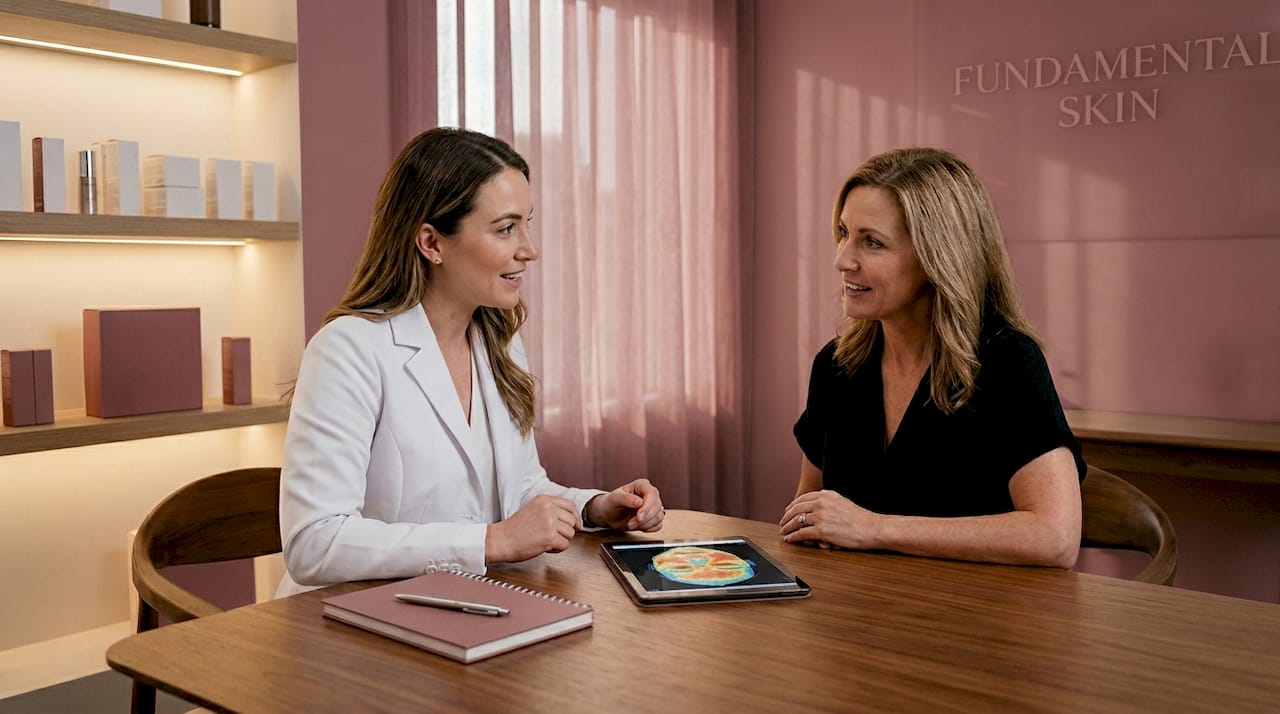
Clinical skincare treatment is the use of evidence-based formulations and advanced aesthetic procedures designed to improve skin function and appearance by targeting specific concerns like pigmentation, photoaging, and texture at a biological level. Unlike basic cosmetic products, clinical treatments work with scientifically validated active ingredients at functional concentrations, meaning the actives are present in amounts proven to create measurable change in the skin. This distinction matters because most over-the-counter products contain actives at levels too low to produce real results. If you are researching what is clinical skincare treatment for concerns like uneven skin tone, fine lines, or dull texture, this guide gives you a clear, research-backed answer without the marketing noise.
What is clinical skincare treatment and what makes it work?
Clinical skincare treatment is defined by two core elements: active ingredients at functional concentrations and delivery systems that get those ingredients where they need to go. The most common active ingredient families include retinoids, vitamin C, alpha hydroxy acids (AHAs), peptides, and niacinamide. Each targets a different biological pathway. Retinoids accelerate cell turnover and stimulate collagen production. Vitamin C inhibits melanin synthesis to reduce pigmentation. AHAs exfoliate the surface to improve texture and tone. Peptides signal the skin to produce more structural proteins. Niacinamide calms inflammation and strengthens the skin barrier.
Concentration is what separates clinical from cosmetic. Active ingredients at 0.1% to 20% are the functional range where physiological effects actually occur. A vitamin C serum at 5% does very little. One formulated at 15% to 20% with a stabilized form like L-ascorbic acid and the correct pH below 3.5 delivers measurable brightening. This is why formulation science matters as much as the ingredient list itself.
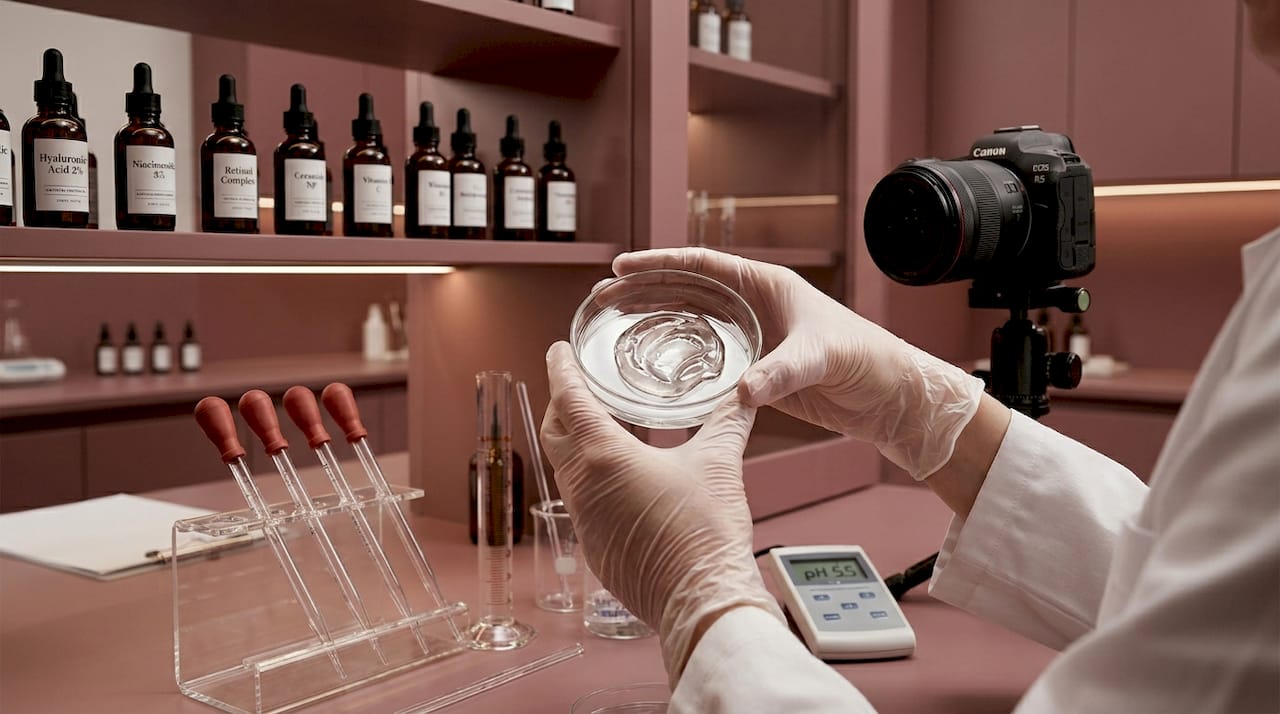
Delivery technology amplifies results further. Micro-encapsulation wraps sensitive active molecules in a protective shell, releasing them gradually once they penetrate the skin. This protects unstable ingredients like vitamin C and retinol from light and air degradation, while also reducing the surface irritation that comes from high-concentration direct application. Time-release systems mean your skin receives a steady, controlled dose rather than a sudden spike that triggers redness or peeling.
Active Ingredient | Primary Skin Concern | Key Mechanism |
Retinoids | Aging, fine lines | Collagen stimulation, cell turnover |
Vitamin C (L-ascorbic acid) | Pigmentation, dullness | Melanin inhibition, antioxidant protection |
AHAs (glycolic, lactic acid) | Texture, uneven tone | Surface exfoliation, hydration |
Peptides | Firmness, elasticity | Protein synthesis signaling |
Niacinamide | Redness, barrier weakness | Inflammation reduction, barrier repair |
Pro Tip: Check the pH of any vitamin C or AHA product you use. Vitamin C requires a pH below 3.5 to absorb effectively, and AHAs work best between pH 3 and 4. A product listing these ingredients but formulated at a higher pH is essentially inactive.
How do in-office clinical skincare procedures complement topical treatments?
Topical actives address the skin daily, but in-office clinical skincare procedures create change at a depth that no serum can reach alone. Noninvasive cosmetic dermatology procedures such as chemical peels, microneedling, laser therapies, and neuromodulators address wrinkles, pigmentation, and skin texture with minimal downtime. Each procedure works differently, and understanding the mechanism helps you choose the right one for your concern.
Here is how the most common clinical procedures work:
Chemical peels apply an acid solution (glycolic, salicylic, lactic, or trichloroacetic acid) to controlled depths of the skin, removing damaged surface layers and triggering collagen remodeling. Superficial peels address dullness and mild pigmentation. Medium-depth peels target more established sun damage and fine lines.
Microneedling creates micro-channels in the dermis using fine needles, stimulating the wound-healing response and collagen production. It is particularly effective for texture, scarring, and early signs of aging.
Laser therapies use targeted wavelengths of light to address specific chromophores in the skin. IPL (Intense Pulsed Light) targets melanin and hemoglobin, making it effective for pigmentation and redness. Fractional lasers resurface texture and stimulate deeper collagen.
Radiofrequency (RF) treatments deliver heat energy to the dermis to tighten lax skin by contracting existing collagen and stimulating new production, without disrupting the surface.
Neuromodulators like botulinum toxin relax the muscles responsible for dynamic wrinkles, softening expression lines around the eyes and forehead.
The real power of clinical skincare comes from combining topical actives with procedural treatments. A chemical peel followed by a targeted antioxidant serum and a depigmenting agent produces significantly better results than either approach alone. Procedures open the pathway; topicals deliver the actives.
Pro Tip: Avoid applying active ingredients like retinoids or AHAs for at least 48 to 72 hours before any in-office procedure. These actives thin the skin barrier and increase sensitivity, which raises the risk of adverse reactions during treatment.
What distinguishes clinical skincare products from medical-grade and regular cosmetics?
The term “medical-grade” skincare has no regulatory definition. Brands self-apply this label without standardized criteria, which means a product sold in a clinic is not automatically more effective than one sold in a pharmacy. This is one of the most important things to understand before spending money on premium skincare products.
What actually signals product quality and efficacy:
Published clinical studies with measurable outcomes, not just ingredient spotlights or testimonials
Concentration transparency where the brand discloses the percentage of key actives, not just lists them on the label
Stability testing confirming that sensitive ingredients like vitamin C remain active through the product’s shelf life
Formulation pH appropriate to the active ingredients present
Peer-reviewed evidence supporting the specific ingredient form used, not just the ingredient category
“Experts advise consumers to look for quantifiable evidence such as biopsy results or peer-reviewed clinical studies rather than relying on the ‘medical-grade’ label alone.” — Allure
Evaluating clinical skincare products requires scrutiny of clinical study protocols, ingredient stability, and whether the product is used as part of a structured, supervised regimen. A well-formulated product from a reputable brand with published evidence will outperform an expensive clinic-branded product with no clinical backing. Price and distribution channel are not proxies for efficacy. For a deeper look at what clinical evidence actually means for skincare, this evidence guide breaks down how to read clinical claims critically.
How to build an effective clinical skincare routine
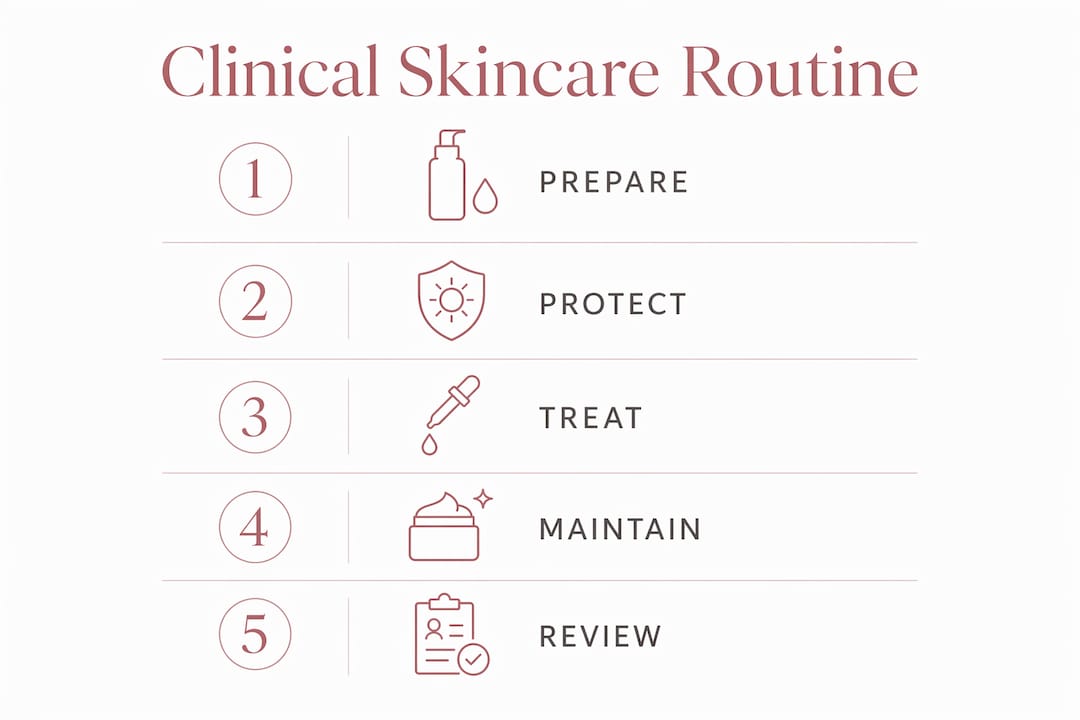
A clinical skincare routine is not simply a collection of strong actives applied in sequence. Treatment outcomes depend heavily on proper sequencing of skincare around procedures: pre-procedure hygiene, immediate post-procedure barrier support, and the later introduction of actives. Getting this sequence wrong reduces results and increases the risk of irritation.
The table below outlines how a clinical routine shifts across three phases:
Phase | Focus | Key Products |
Pre-procedure (days before) | Barrier preparation, gentle cleansing | Mild cleanser, hydrating serum, SPF |
Immediate post-procedure (0 to 48 hours) | Barrier repair, calming | Occlusive moisturizer, fragrance-free cleanser |
Recovery phase (day 3 onward) | Actives reintroduction, protection | Antioxidant serum, depigmenting agent, SPF 50+ |
Periprocedural skincare should be dynamic and tailored according to the type of aesthetic procedure and individual skin healing stages, with barrier repair prioritized first. The first 48 hours after any clinical procedure are the most critical. The skin barrier is compromised, and applying actives like retinoids or AHAs during this window will cause inflammation rather than improvement. Occlusive, fragrance-free moisturizers are the only thing your skin needs immediately after treatment.
Structured clinical protocols avoid high-irritant actives immediately post-treatment to prevent barrier disruption and inflammation. As healing progresses, antioxidants like vitamin C are reintroduced first, followed by depigmenting agents such as niacinamide or tranexamic acid, and finally retinoids once the skin has fully recovered. Sunscreen at SPF 50 or higher is non-negotiable throughout every phase. UV exposure after a clinical procedure can cause post-inflammatory hyperpigmentation that undoes weeks of treatment progress.
Pro Tip: Keep a simple skin journal for the first two weeks after any clinical procedure. Note redness, texture changes, and how your skin responds to each product you reintroduce. This record helps your clinician adjust your protocol at your next appointment.
Skin health also extends beyond appearance. Proper management of skin conditions can influence overall well-being, with skin health affecting immune regulation, inflammation, and mental health. This means investing in a clinical skincare routine is not vanity. It is a health decision. You can explore modern skin rejuvenation treatments to see how targeted approaches address specific concerns at a deeper level.
Key takeaways
Clinical skincare treatment works because it combines validated active ingredients at functional concentrations with evidence-based procedures and structured recovery protocols tailored to individual skin needs.
Point | Details |
Definition matters | Clinical skincare uses actives at proven concentrations, not just premium packaging or clinic distribution. |
Procedures amplify topicals | In-office treatments like peels, microneedling, and IPL create change that topicals alone cannot achieve. |
“Medical-grade” is a marketing term | Evaluate products by clinical study evidence and concentration transparency, not label claims. |
Sequencing is everything | Barrier repair comes first post-procedure; actives are reintroduced gradually as healing allows. |
Skin health is systemic | Clinical skincare supports immune regulation and overall well-being, not just cosmetic appearance. |
What I have learned after 15 years working with clinical skin treatments
After working as a Dermal Clinician for 15 years, the single biggest misconception I see is that more active equals better results. Clients come in having layered retinoids, AHAs, and vitamin C all at once, wondering why their skin is red, reactive, and worse than when they started. Clinical skincare is not about intensity. It is about precision and timing.
The skin barrier is the foundation of every treatment outcome. I have seen beautifully planned peel protocols fail because a client used a strong exfoliant two days before their appointment and arrived with a compromised barrier. I have also seen modest, well-sequenced routines produce genuinely transformative results because the skin was prepared, supported, and given time to respond.
The other thing I want you to know is that personalization is not a luxury in clinical skincare. It is a requirement. Two clients with similar pigmentation concerns may need completely different protocols depending on their skin’s sensitivity, their healing response, and the procedures they have had previously. A one-size approach does not exist here, and any clinician or product brand telling you otherwise is oversimplifying.
What actually works is a structured plan: prepare the barrier, choose the right procedure for the concern, support recovery properly, and reintroduce actives in the right order. That is the clinical approach. It is not glamorous, but the results speak clearly.
— chevonne
Discover clinical treatments at Fundamentalskin
If you are ready to move from research to real results, Fundamentalskin offers a range of targeted clinical skincare procedures designed specifically for women dealing with pigmentation, aging, redness, and dull skin texture.

Chevonne, a Dermal Clinician with 15 years of experience, builds every treatment plan around your skin’s specific needs using advanced, non-invasive technology and Australia-sourced organic ingredients. The Biomimetic Peel and LED Therapy is one of the most popular treatments, delivering visible improvements in tone and texture with no downtime. Fundamentalskin also offers Larimedical Peels, IPL for pigmentation and vascular concerns, and RF skin tightening, all backed by real before-and-after results. Book your consultation and start loving the skin you are in.
FAQ
What is clinical skincare treatment in simple terms?
Clinical skincare treatment uses scientifically validated active ingredients and professional procedures to target specific skin concerns like pigmentation, aging, and texture at a biological level. It differs from basic cosmetic care by the potency of actives and the evidence supporting their use.
Is clinical skincare effective for pigmentation?
Clinical skincare is effective for pigmentation when it combines the right active ingredients, such as vitamin C, niacinamide, and tranexamic acid, with targeted procedures like IPL or chemical peels. Results depend on consistent use, sun protection, and a properly sequenced routine.
How does clinical skincare work differently from regular skincare?
Clinical skincare works by delivering active ingredients at functional concentrations using advanced delivery systems like micro-encapsulation, which regular cosmetic products typically do not use. This means the actives penetrate deeper and produce measurable physiological changes rather than surface-level effects.
What types of clinical treatments are available for aging skin?
The main types of clinical treatments for aging skin include chemical peels, microneedling, radiofrequency tightening, laser resurfacing, and topical retinoid protocols. Each targets a different aspect of aging, from collagen loss to surface texture and pigmentation.
Do I need a clinician to access clinical skincare treatments?
For in-office procedures like peels, microneedling, and IPL, a qualified clinician is required to assess your skin and deliver the treatment safely. Some clinical-grade topical products are available for home use, but a personalized consultation produces far better outcomes than self-selecting products without professional guidance.
Recommended
Comments