.png)
Best Personalized Skincare Consultation Options in 2026
- chevonne stewart
- Aug 7
- 7 min read

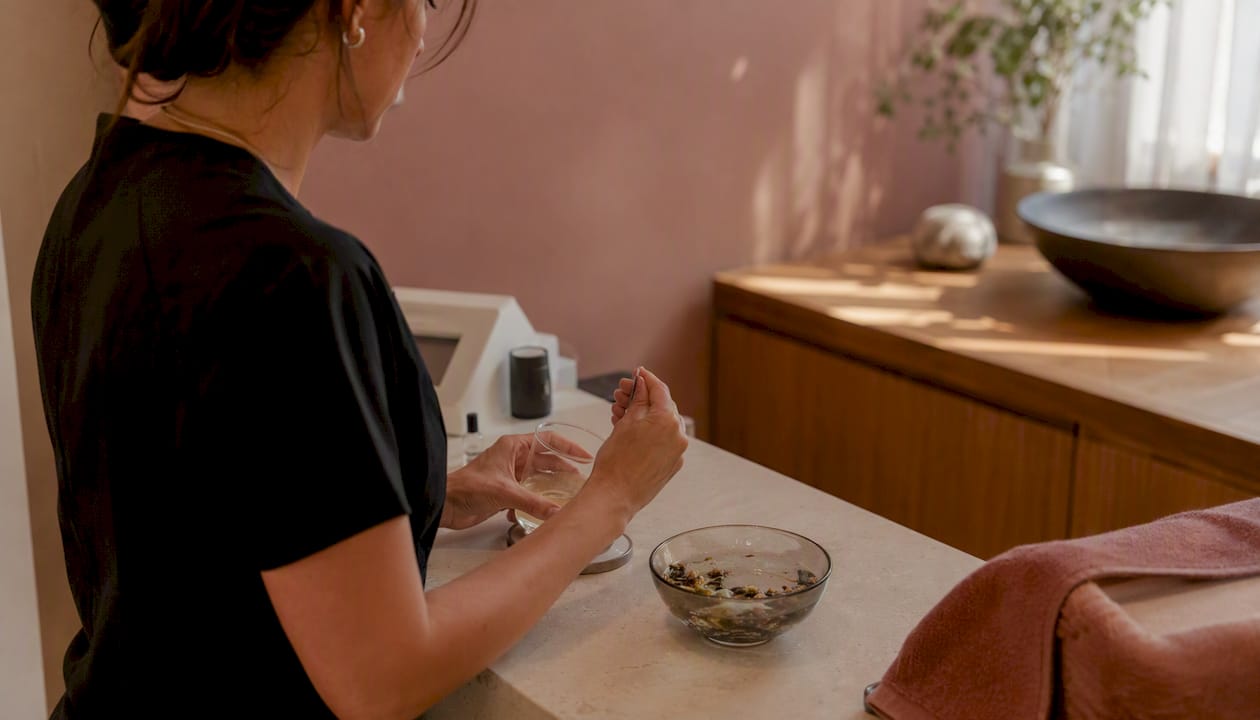
The best personalized skincare consultation options are clinic-led in-person visits with a licensed dermal clinician or dermatologist, followed by teledermatology for distance-limited clients, and AI-assisted apps for initial triage only. For most skin concerns — pigmentation, aging, redness, and texture — a clinic-led consult delivers the widest scope of treatment, the most accurate skin analysis, and the clearest path to visible results. Fundamentalskin, led by Chevonne (a Dermal Clinician with 15 years of clinical experience), is a recommended first stop for women seeking evidence-based, non-invasive treatment with measurable before-and-after outcomes.
The right consultation format depends on what your skin actually needs. A licensed clinician can assess, treat, and monitor in one appointment. An app can only suggest.
Table of Contents
What are your best personalized skincare consultation options?
Not every “consultation” carries the same weight. Here is what each format actually offers:
In-person clinic-led consult (dermal clinician or medical aesthetician): The most thorough option. Includes hands-on skin analysis, medical history review, and access to in-clinic treatments like chemical peels and LED therapy. Best for pigmentation, aging, texture, and redness. Personalized skincare outperforms generic products precisely because this format accounts for your full skin profile.
Dermatologist visit (medical): Required for prescription medications, suspected skin cancer, biopsy, or complex inflammatory conditions like severe cystic acne or psoriasis. Typically the highest cost and longest wait time.
Med-spa consult: Combines aesthetic treatments with some clinical oversight. Scope varies widely by state; confirm whether a licensed medical professional supervises treatments.
Teledermatology / virtual dermatologist: Convenient for follow-ups, prescription renewals, and mild-to-moderate concerns. Privacy matters here: confirm the platform uses HIPAA-compliant data handling before sharing photos or health history.
Brand-hosted virtual consult: Large skincare brands offer free or low-cost virtual one-on-one sessions for product and regimen guidance. Useful for product selection, but limited to what that brand sells.
At-home esthetician / mobile pro visit: A licensed esthetician comes to you. Services like VÉLOURA Beauty On Demand show how mobile esthetic care can deliver professional facials and skincare guidance without clinic travel. Scope is limited to non-medical treatments.
AI / app-guided assessment: Tools rooted in ecobiology or computer vision can complement clinical care, but industry experts are clear that they are designed to support professional guidance, not replace it. Subscription AI-prescription models add dermatologist review and monthly optimization, which suits clients needing ongoing active-ingredient titration between clinic visits.
Insurance note: Dermatologist visits for medically diagnosed conditions may be partially covered by health insurance. Aesthetic consultations, med-spa visits, and app subscriptions are almost always out-of-pocket.
Who should you see for your specific skin concern?
Skin Concern | Best Provider | Why | Prepare This |
Acne (mild–moderate) | Dermal clinician or medical aesthetician | In-clinic peels, extractions, LED therapy; no prescription needed | Photos of breakout patterns, current product list |
Acne (severe / cystic) | Dermatologist | Prescription topicals or oral meds required | Medical history, prior treatments tried |
Pigmentation / melasma | Dermal clinician (clinic-led) | Targeted peels, pigment mapping, monitored brightening protocols | Sun exposure history, hormonal history if relevant |
Aging / fine lines | Dermal clinician or med-spa | Collagen-stimulating treatments, peels, LED; clinicians evaluate aging skin using photo analysis and skin laxity assessment | Lifestyle factors, current actives |
Rosacea / sensitivity | Dermal clinician or dermatologist | Trigger identification, gentle clinical protocols; prescription options if needed | Flare-up triggers, medication list |
Texture / dullness | Dermal clinician or medical aesthetician | Exfoliating peels, resurfacing, product-grade actives | Current routine, diet and hydration habits |
Suspected skin cancer / lesion | Dermatologist (urgent) | Biopsy and medical diagnosis required | Lesion photos, timeline of changes |
A medical referral is necessary when you need a prescription systemic medication, a biopsy, or when a condition has not responded to at least two rounds of topical treatment. Your dermal clinician should tell you this directly — if they don’t, ask.
What actually happens during a skincare consultation?
Understanding the workflow helps you arrive prepared and get more from the appointment. A well-structured skin consultation in 2026 typically follows these steps:
Skin analysis — The clinician examines your skin under magnification or specialized lighting, assessing hydration, pigment distribution, pore size, and texture. Some clinics use digital imaging for precise before/after tracking.
Typical timelines: Initial results from peels and LED therapy are often visible within 2–4 weeks. Pigmentation and aging concerns generally require a 3–6 month treatment window for meaningful change.
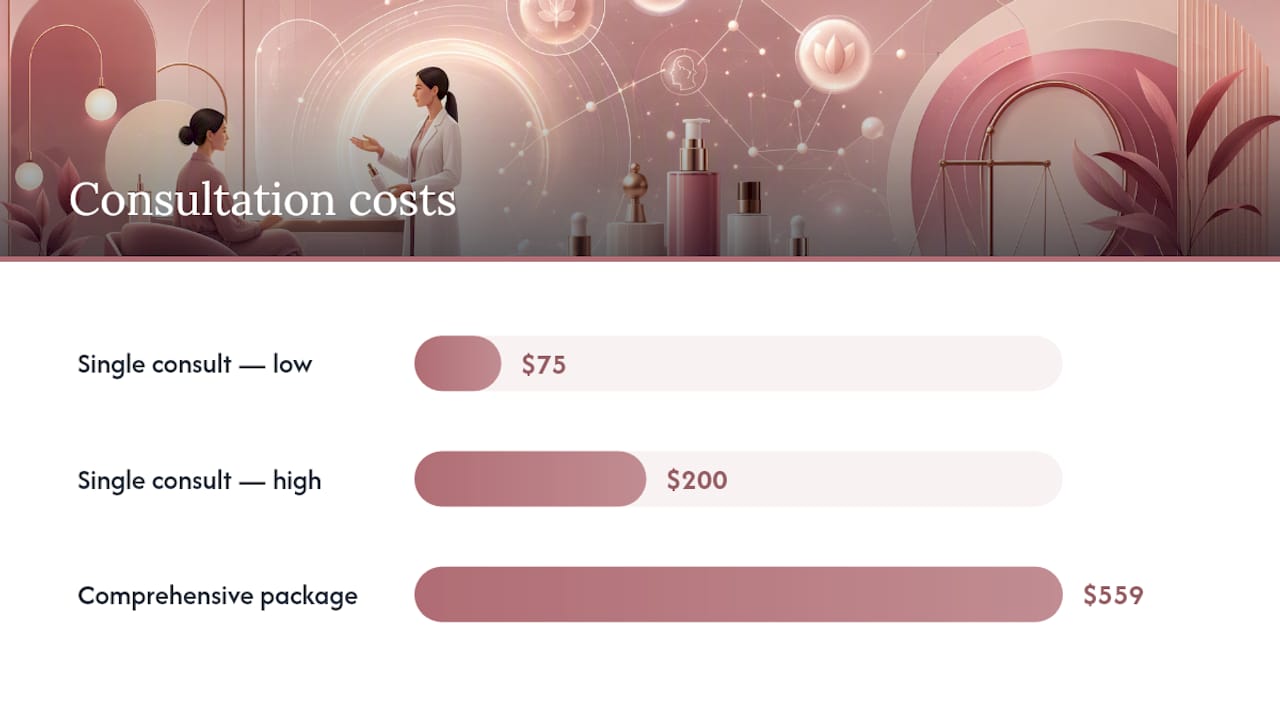
Cost ranges: A single in-person consult runs roughly $75–$200 at most clinics. A comprehensive one-on-one skincare consultation package—including a 60-minute strategy session with digital guidance, a treatment calendar, and follow-up—is typically priced at $559. Teledermatology visits typically cost $50–$150 per session. Brand-hosted virtual consultations are often free.
Privacy matters for virtual consults. Before booking any telederm or app-based service, confirm the platform is HIPAA-compliant and that your photos and health data are not used for third-party advertising.
How do you choose the right consultation for your skin?
Credentials first. Confirm your provider holds a current state license. A dermal clinician or medical aesthetician should be able to name their training and scope of practice clearly. A dermatologist is a board-certified MD.
Questions to ask before booking:
What is your license and how many years have you practiced?
What treatments do you offer in-clinic for my specific concern?
Do you take before-and-after photos to track progress?
How many visits should I expect before seeing results?
What is your cancellation and refund policy?
Red flags to avoid:
No medical oversight when prescription treatments are involved
“Proprietary formulas” with no ingredient list
Pressure to purchase a large product bundle at the first visit
No clear follow-up policy after the initial consult
Pro Tip: Ask to see before-and-after photos of clients with your specific concern, not just the best-case results on the website. A clinician confident in their outcomes will share these readily.
Choosing personalized treatment selection over a generic regimen consistently delivers better outcomes because the plan is built around your skin’s actual behavior, not a demographic average.
When do you need a dermatologist or urgent medical care?
Most aesthetic skin concerns can be addressed by a qualified dermal clinician or medical aesthetician. Some cannot.
See a dermatologist promptly if you notice: a mole or lesion that has changed in size, shape, or color; a wound that does not heal within two weeks; a rapidly spreading rash with pain or fever; sudden blistering or severe swelling; or any skin symptom accompanied by systemic illness. These are medical situations, not aesthetic ones.
Conditions that require dermatologist-level care include suspected skin cancer, surgical biopsy, prescription systemic medications (oral retinoids, immunosuppressants), and complex inflammatory diseases like severe psoriasis or hidradenitis suppurativa.
If you are currently seeing a dermal clinician and a concern arises that falls outside their scope, a good clinician will refer you directly. That referral is a sign of professionalism, not a limitation.
Why a clinic-led consultation often delivers the best results
Clinical skincare treatments operate at a level that at-home products simply cannot reach. In-clinic procedures use professional-grade actives, controlled delivery methods, and real-time monitoring — all of which matter when you are treating pigmentation, aging, or persistent redness.
Fundamentalskin is built around exactly this model. Chevonne, the clinic’s lead Dermal Clinician, brings 15 years of clinical experience to every consultation. Her approach combines photo analysis, skin laxity assessment, and pigment mapping to build a treatment plan specific to your skin’s current state.
Key clinic strengths at Fundamentalskin:
Larimedical Biomimetic Peel: A targeted, non-invasive peel that addresses pigmentation, fine lines, and uneven texture with no downtime. Backed by before-and-after case evidence showing measurable improvements in skin tone and texture.
LED therapy: — Used alongside peels to support collagen production and reduce redness, with results visible across a treatment course.
A typical first visit includes a full skin consultation, a written treatment plan, and a recommended package. Follow-up appointments are scheduled at clinically appropriate intervals to track and adjust progress.
Key Takeaways
A clinic-led consultation with a licensed dermal clinician is the most effective starting point for most skin concerns, offering the widest treatment scope, accurate skin analysis, and a clear plan for measurable results.
Point | Details |
Clinic-led consult is best for most | In-person visits with a dermal clinician cover the widest range of concerns and treatments. |
Telederm suits distance-limited clients | Virtual dermatologist visits work well for mild concerns, follow-ups, and prescription renewals. |
AI tools complement, not replace, care | App-based assessments are useful for triage but cannot substitute for clinical evaluation. |
Cost ranges vary by format | Single consults run roughly $75–$200; comprehensive one-on-one consultation packages are typically priced at $559. |
Fundamentalskin for clinic-led care | Chevonne’s 15-year clinical background and treatments like the Larimedical Biomimetic Peel make Fundamentalskin a recommended option for pigmentation, aging, and texture concerns. |
What I’ve learned from 15 years of skin consultations
The most common mistake I see is clients arriving with a bag full of products and no clear picture of what their skin actually needs. Generic routines built around trending ingredients rarely address the root cause of a concern. Pigmentation is not just pigmentation — it can be post-inflammatory, hormonal, or UV-driven, and each type responds to a different protocol.
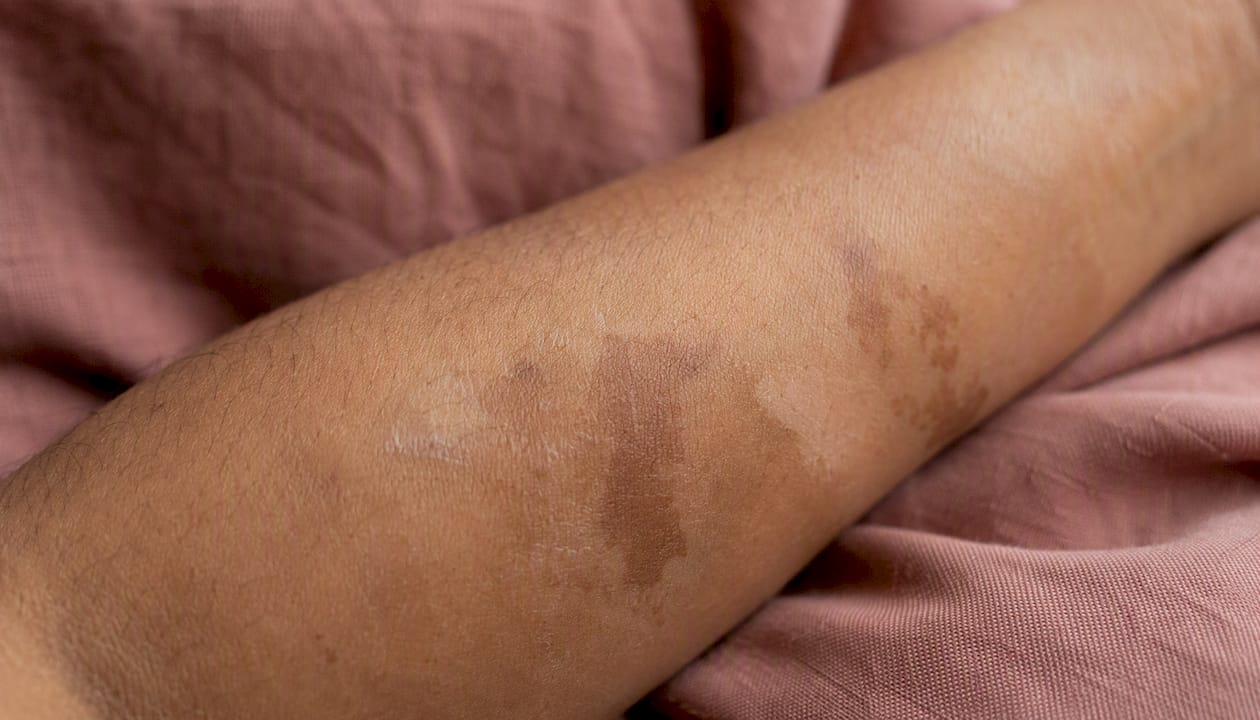
What I prioritize in every consultation is safety first, then measurable progress. Visible change takes time. For most pigmentation and aging concerns, a realistic window is 3–6 months of consistent treatment and a well-structured home regimen. Clients who see the best results are those who commit to the follow-up plan, not just the first appointment.
Realistic timelines and honest expectations are part of every plan I build. If a treatment is not the right fit for your skin or your lifestyle, I will tell you — and point you toward what is.
Ready to see what a real skin consultation can do for you?
Fundamentalskin offers clinic-led consultations and advanced non-invasive treatments for women dealing with pigmentation, aging, redness, fine lines, and dull texture. The first visit includes a full skin analysis, a written treatment plan, and a clear recommendation for next steps.

The Biomimetic Peel + LED Therapy package at $249 combines the Larimedical Biomimetic Peel with LED therapy in a single session — no downtime, no guesswork, and results you can track. Chevonne’s 15 years of clinical experience means your plan is built around your skin, not a template.
Book your consultation at Fundamentalskin and start seeing the difference a personalized, evidence-based approach makes.
Useful sources and further reading
These pages give you a deeper look at the consultation process, clinical treatments, and at-home options covered in this article:
For privacy and data security questions related to virtual consultations, or to confirm whether your concern requires a medical referral, contact Fundamentalskin directly through the clinic’s contact page.
Recommended
Comments