
Managing Sun Damage and Pigmentation in the Tweed Coast Climate
24 October 2026 · Chevonne Stewart
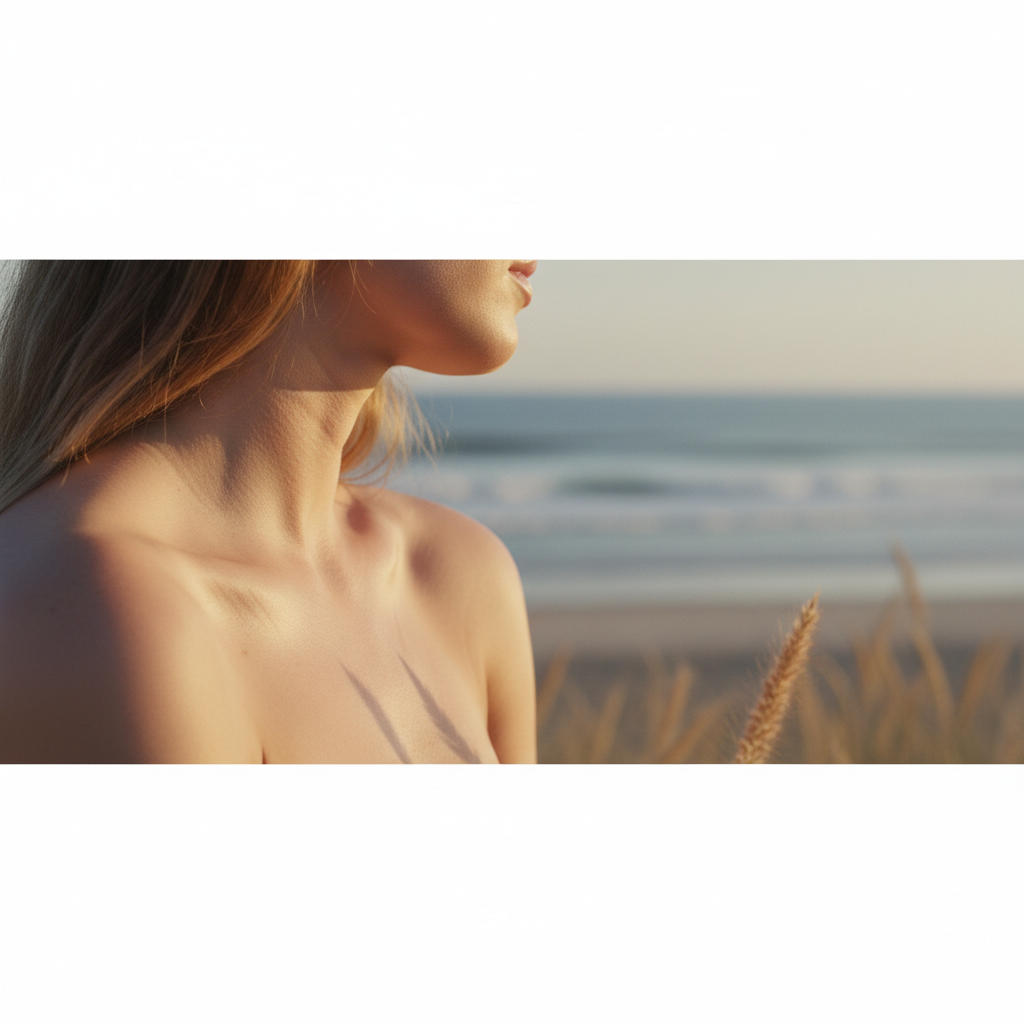
Living in Tweed Heads, we are lucky enough to enjoy some of the most beautiful sunshine in the world. However, our outdoor lifestyle comes with a significant challenge for our skin. The Australian sun is particularly harsh, and for those of us aged 30 to 65, the cumulative effects of decades spent at the beach or in the garden often begin to surface as uneven skin tone, sun spots, and a general loss of radiance.
As a dermal clinician, I frequently see clients who feel frustrated by pigmentation that seems to appear out of nowhere. The reality is that much of the sun damage we see today is actually the result of exposure that occurred years, or even decades, ago. Understanding how this process works and how to manage it in our local climate is the first step toward clearer, healthier-looking skin.
The Australian Sun and Your Skin
The UV index in Northern NSW is high for much of the year. Unlike some other parts of the world where sun protection is a seasonal concern, here it is a daily necessity. When our skin is exposed to UV radiation, it produces melanin as a natural defence mechanism to protect the DNA in our cells. While a tan is often culturally associated with health, it is actually a sign that the skin has been stressed.
Over time, this melanin production can become dysregulated. Instead of a smooth, even tan, the pigment pools in certain areas, leading to what we commonly call sun spots, age spots, or solar lentigines. Additionally, chronic sun exposure breaks down the structural proteins that keep the skin firm, leading to a textured, leathery appearance often referred to as photoageing.
Identifying Different Types of Pigmentation
Not all dark spots are created equal, and identifying the type of pigmentation you have is essential before starting any cosmetic programme.
- Solar Lentigines: These are flat, brown spots caused directly by UV exposure. They are very common on the face, décolletage, and the backs of the hands.
- Poikiloderma of Civatte: This often appears on the sides of the neck as a mottled, reddish-brown discoloration. It is a combination of sun damage, broken capillaries, and pigment changes.
- Ephelides (Freckles): These are usually genetic but darken significantly with sun exposure.
Because different types of pigment sit at different depths in the skin, a one-size-fits-all approach rarely works. A professional assessment helps us determine the best path forward for your specific skin type and concerns.
Cosmetic Approaches to Managing Sun Damage
While we cannot "undo" history, we can certainly improve the appearance of sun-damaged skin using modern, evidence-based cosmetic treatments. At Fundamental Skin, we focus on methods that encourage the skin to shed old, pigmented cells and revitalise its appearance.
IPL Photo Rejuvenation
Intense Pulsed Light (IPL) is one of our most popular options for managing sun damage. It is important to note that IPL is not a laser; rather, it uses a broad spectrum of light to target the brown pigment in the skin. When the light is absorbed by the pigment, it creates a controlled amount of heat which helps to break down the spot. Over the following week, the pigment typically rises to the surface and naturally sloughs off, leaving the skin looking clearer and more even.
Professional Chemical Peels
For those with more generalised sun damage or texture concerns, chemical peels can be a fantastic tool. By using specific acids to exfoliate the surface layers of the skin, we can encourage faster cell turnover. This helps to lift superficial pigment and improve the overall luminosity of the complexion. Peels can be customised in intensity depending on your lifestyle and how much downtime you are comfortable with.
Home Care and Prevention
No clinical treatment can outpace the sun. The most important part of any pigmentation programme happens at home.
- Broad-Spectrum SPF: This is non-negotiable. Even on cloudy days in Tweed Heads, UV rays penetrate the atmosphere. Look for a moisturiser or dedicated sunscreen that you enjoy wearing so that you apply it every single morning.
- Pigment Inhibitors: These are cosmetic ingredients designed to calm the melanocytes (the cells that produce pigment). Using these consistently can help prevent new spots from forming while we treat existing ones.
- Antioxidants: Ingredients like Vitamin C help to neutralise free radicals caused by environmental stressors, providing an extra layer of protection alongside your sunscreen.
A Note on Safety and Expectations
Managing sun damage is a journey, not a quick fix. Because our skin is constantly exposed to the elements, maintenance is key. It is also vital to ensure that any spots you are concerned about have been checked by a GP or a skin cancer specialist before we begin cosmetic work. We specialise in the appearance of the skin, but health always comes first.
Disclaimer: This article provides general information and is not intended as personal medical advice. Skin concerns vary significantly between individuals, and a professional consultation is recommended to ensure any treatment is suitable for your specific needs.
If you would like to discuss a personalised plan for your skin, I invite you to book a consultation at the clinic.
Ready when you are
Not sure what your skin needs? Start with a consultation.
Chevonne will assess your skin, explain your options in plain language, and only recommend what suits your skin and budget.
Book online