
Supporting Your Body: Skin Tightening and Sculpting After Weight Change
23 September 2026 · Chevonne Stewart
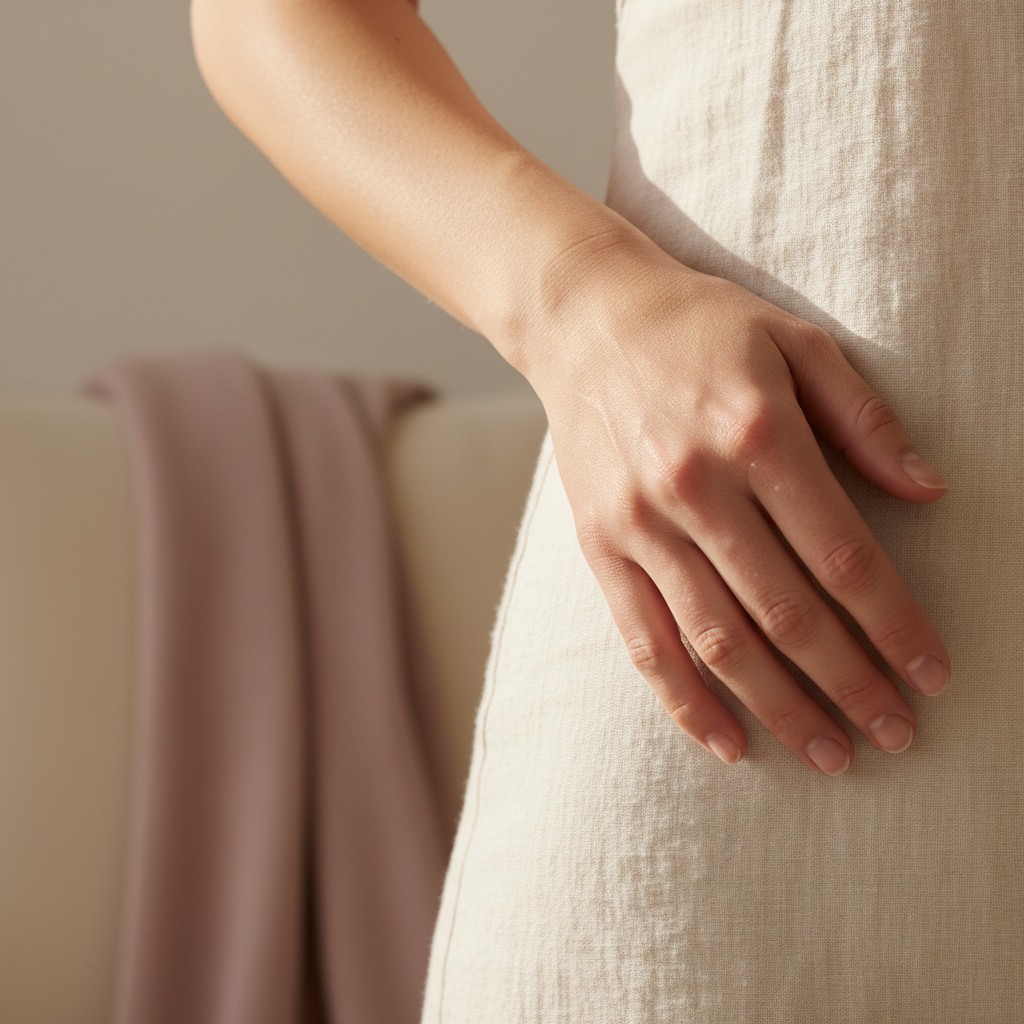
Significant weight change is a major achievement for your health, but it often leaves the skin in a state of transition. Whether you have navigated a lifestyle-led weight loss journey, post-pregnancy changes, or medical weight management, it is common to find that your skin doesn't always 'bounce back' as quickly as you might hope.
At Fundamental Skin, we see many locals in Tweed Heads who feel a disconnect between their new fitness levels and the appearance of their skin. Understanding the biological mechanisms behind skin elasticity and how modern non-invasive technologies can support these processes is the first step in feeling comfortable in your skin again.
Disclaimer: The information in this article is for educational purposes only and does not constitute medical advice. Please book a consultation for a personalised assessment of your skin health.
The Science of Skin Elasticity
Our skin is a remarkably resilient organ, held together by a structural framework of collagen and elastin fibres. Collagen provides the strength and architecture, while elastin allows the skin to stretch and recoil.
When the body carries extra weight over a long period, these fibres are stretched to their limit. Much like a piece of elastic that has been held at full stretch for too long, the fibres can lose their 'snap'. This is often compounded by the natural ageing process, where our production of new collagen and high-quality elastin naturally begins to decline from our late 20s onwards.
When weight is lost, especially if it happens rapidly, the skin may lack the structural integrity to shrink back to the new body contours. This results in what we often describe as skin laxity—a soft, sometimes crepey appearance that can be particularly noticeable on the abdomen, inner thighs, and upper arms.
Can Non-Invasive Treatments Help?
It is important to manage expectations: non-invasive dermal treatments are not a substitute for surgical intervention (such as an abdominoplasty) if there is a significant amount of redundant, hanging skin. However, for mild to moderate laxity and stubborn pockets of adipose tissue, clinical body sculpting and skin tightening technologies offer an evidence-based way to support the skin.
Radiofrequency (RF) for Skin Tightening
Radiofrequency is one of the most established methods for addressing skin laxity. It works by delivering controlled thermal energy into the deeper layers of the dermis.
When the tissue is heated to a specific temperature (usually between 40–43 degrees Celsius), two things happen:
- Immediate Contraction: The existing collagen fibres undergo a mild heat-induced contraction, providing a subtle immediate smoothing effect.
- Neocollagenesis: The heat triggers a wound-healing response in the body, stimulating fibroblasts to produce new collagen and elastin over the following weeks and months.
Because this relies on the body’s natural biological response, results are not instant. The most significant improvements are typically observed 12 to 16 weeks after a programme of treatments.
Understanding Body Sculpting
Body sculpting differs from skin tightening as it specifically targets the subcutaneous fat cells rather than just the skin surface. Even with a healthy diet and regular exercise, many people find they have 'stubborn' areas that do not seem to shift.
Modern clinical devices use various modalities—such as cryolipolysis (fat freezing) or high-intensity electromagnetic energy—to disrupt these fat cells. Once the cells are disrupted, the body’s lymphatic system naturally processes and clears the debris over several weeks. This is designed for contouring specific areas rather than for overall weight loss.
Supporting Your Results at Home
Clinical treatments work best when the body is in an optimal state to repair and regenerate. If you are embarking on a body sculpting or skin tightening programme, consider these foundational pillars:
- Hydration: Skin cells and the lymphatic system require adequate water to function. Dehydrated skin is less elastic and appears more prone to fine lines.
- Nutrition: A diet rich in amino acids (the building blocks of collagen), Vitamin C, and Zinc supports the body’s ability to synthesise new structural proteins.
- Sun Protection: UV radiation is the primary cause of elastin degradation (solar elastosis). If you are treating areas that are exposed to the sun, such as the neck or arms, daily SPF is essential to protect your progress.
- Patience: The skin’s remodelling cycle is slow. We are working with your biology, not against it, which requires a commitment to the full course of treatments recommended by your clinician.
Is it Right for You?
Body sculpting and skin tightening are highly personalised. Factors such as your age, your skin’s current integrity, your health history, and the speed of your weight change all play a role in how your skin will respond.
During a consultation, we analyse the tissue to determine if it is primarily fat, loose skin, or a combination of both. This allows us to create a realistic plan that focuses on improving skin texture and contouring rather than promising unachievable perfection.
We focus on a 'barrier-first' approach, ensuring that while we are stimulating deeper change, the surface of your skin remains healthy, resilient, and hydrated. If you would like to discuss how we can support your skin through this transition, please reach out to book a clinical consultation.
Ready when you are
Not sure what your skin needs? Start with a consultation.
Chevonne will assess your skin, explain your options in plain language, and only recommend what suits your skin and budget.
Book online