
Repairing Your Skin Barrier: A Guide to Calm, Resilient Skin
26 October 2026 · Chevonne Stewart
Understanding the Barrier: Your Skin’s Protective Shield
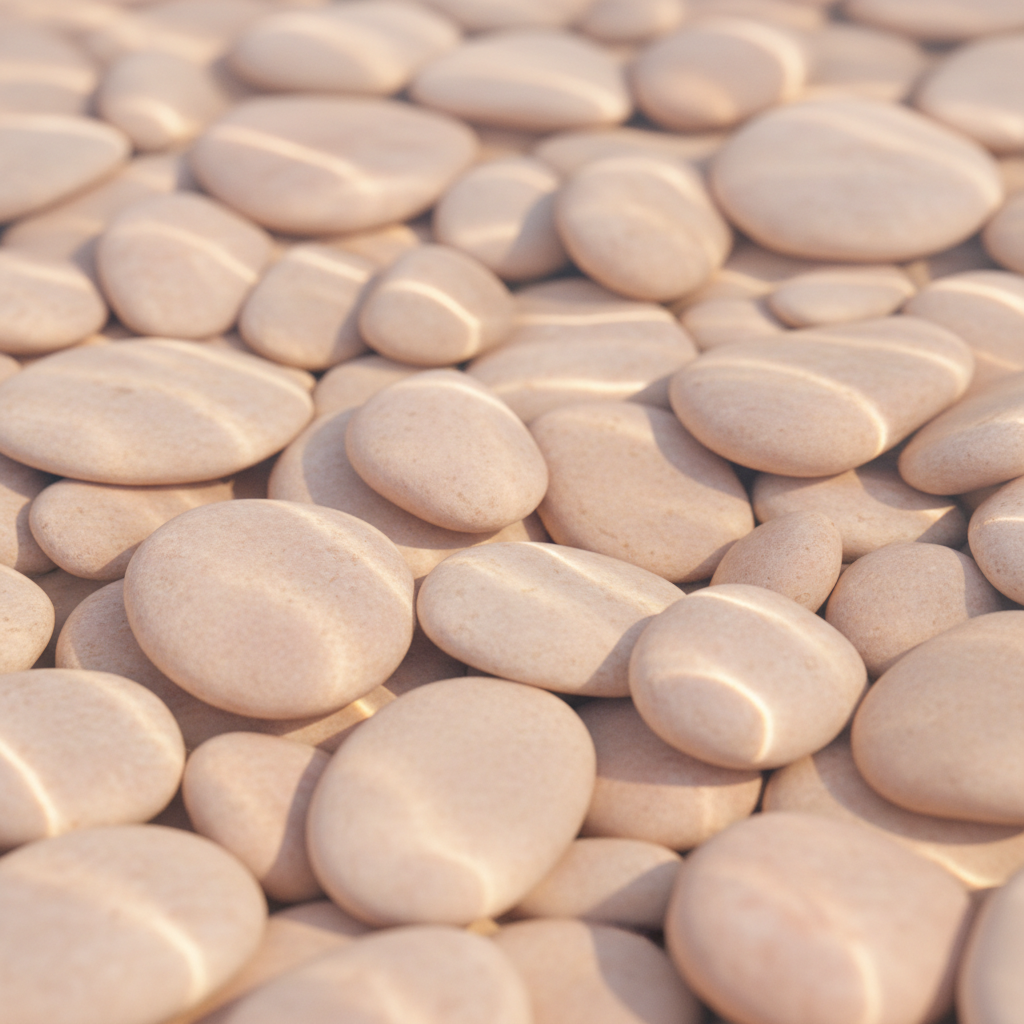
When we talk about the skin barrier, we are primarily referring to the stratum corneum—the very outermost layer of the epidermis. Think of it as a brick wall: the skin cells (corneocytes) are the bricks, and the lipids (fats like ceramides, cholesterol, and fatty acids) are the mortar holding them together. When this wall is sturdy, it keeps hydration in and irritants out.
However, for many of us in the Tweed Heads region, our barrier can become compromised. Whether it is the result of the harsh Australian sun, over-enthusiastic exfoliation, or environmental pollutants, a weakened barrier leads to transepidermal water loss (TEWL). This is when moisture evaporates out of the skin, leaving it vulnerable, dry, and reactive.
Is Your Skin Sensitive or Sensitised?
It is important to distinguish between having a sensitive skin type and having sensitised skin.
- Sensitive Skin: This is usually a genetic predisposition. You may have thinner skin, less natural pigment, or a tendency toward conditions like eczema.
- Sensitised Skin: This is an acquired condition. Anyone, regardless of their skin type, can experience sensitised skin due to external factors like weather changes, harsh skincare products, or recent clinical treatments.
In both cases, the goal is the same: to support and strengthen the barrier so the skin can function as intended.
Signs Your Barrier Needs Support
If you aren't sure if your barrier is struggling, look for these common indicators:
- Tightness: Your skin feels like it is 'too small' for your face, especially after cleansing.
- Texture changes: Skin may appear dull, flaky, or rough to the touch.
- Reactivity: Products that normally feel fine now cause a stinging or burning sensation.
- Increased Redness: Generalised flushing that lingers longer than usual.
- Dehydration lines: Fine lines that appear more prominent when the skin is dry but seem to disappear when a moisturiser is applied.
The Philosophy of 'Less is More'
When your skin is in a state of distress, the most effective approach is often to simplify. We frequently see clients who try to 'fix' their irritation by adding more active serums, which can unfortunately lead to further inflammation. During a barrier-repair phase, we recommend a 'back-to-basics' routine focused on three pillars: cleanse, hydrate, and protect.
1. Gentle Cleansing
Avoid foaming cleansers that contain harsh surfactants (like sodium lauryl sulphate), as these can strip away the essential lipids your skin is trying to preserve. Instead, opt for a cream or oil-based cleanser that leaves the skin feeling soft and supple rather than 'squeaky clean'.
2. Strategic Hydration
Look for ingredients that mimic the skin's natural mortar. Ceramides are particularly beneficial, as they help to fill in the gaps between skin cells. Humectants like glycerine and hyaluronic acid are excellent for drawing moisture into the skin, but they must be sealed in with an occlusive moisturiser to prevent that moisture from evaporating.
3. Rigid Sun Protection
A compromised barrier is less able to defend against UV damage. Even on cloudy days in Northern NSW, UV levels can be high. Use a physical (mineral) sunscreen containing zinc oxide if chemical filters feel irritating to your currently sensitive skin.
Environmental Factors in the Tweed Coast
Living in a coastal environment presents unique challenges. The salt air can be drying, and the humidity can sometimes lead us to believe we don't need moisturiser. However, humidity does not replace the need for lipids. If you spend time at the beach or in the wind, your skin loses its protective oils faster. Rinsing salt water off promptly and applying a barrier-supportive cream can make a significant difference in how your skin feels at the end of the day.
How a Dermal Clinician Can Help
During a consultation, we take a detailed look at your current routine and lifestyle. We can help identify if a specific ingredient is the culprit or if your skin simply needs a period of rest. Professional treatments for sensitive skin at Fundamental Skin focus on calming the epidermis and providing the skin with the building blocks it needs to repair itself, without the use of aggressive heat or chemicals.
We might suggest a customised programme that includes gentle LED light therapy to support the skin's natural processes or nourishing topical applications that are free from common irritants like artificial fragrances and drying alcohols.
Long-Term Maintenance
Once your skin feels comfortable again, it can be tempting to jump straight back into strong acids or high-strength Vitamin A. We encourage a gradual reintroduction. By slowly building tolerance, you can enjoy the benefits of active skincare without compromising the health of your barrier again.
Disclaimer: This article provides general information only and is not intended as medical advice. Skin concerns can vary significantly between individuals.
If you would like a personalised assessment of your skin barrier and a tailored plan to restore comfort, please book a consultation with us at our Tweed Heads clinic.
Ready when you are
Not sure what your skin needs? Start with a consultation.
Chevonne will assess your skin, explain your options in plain language, and only recommend what suits your skin and budget.
Book online