
Red Light Therapy: The Science of Low-Level Light for Skin Health
29 September 2026 · Chevonne Stewart
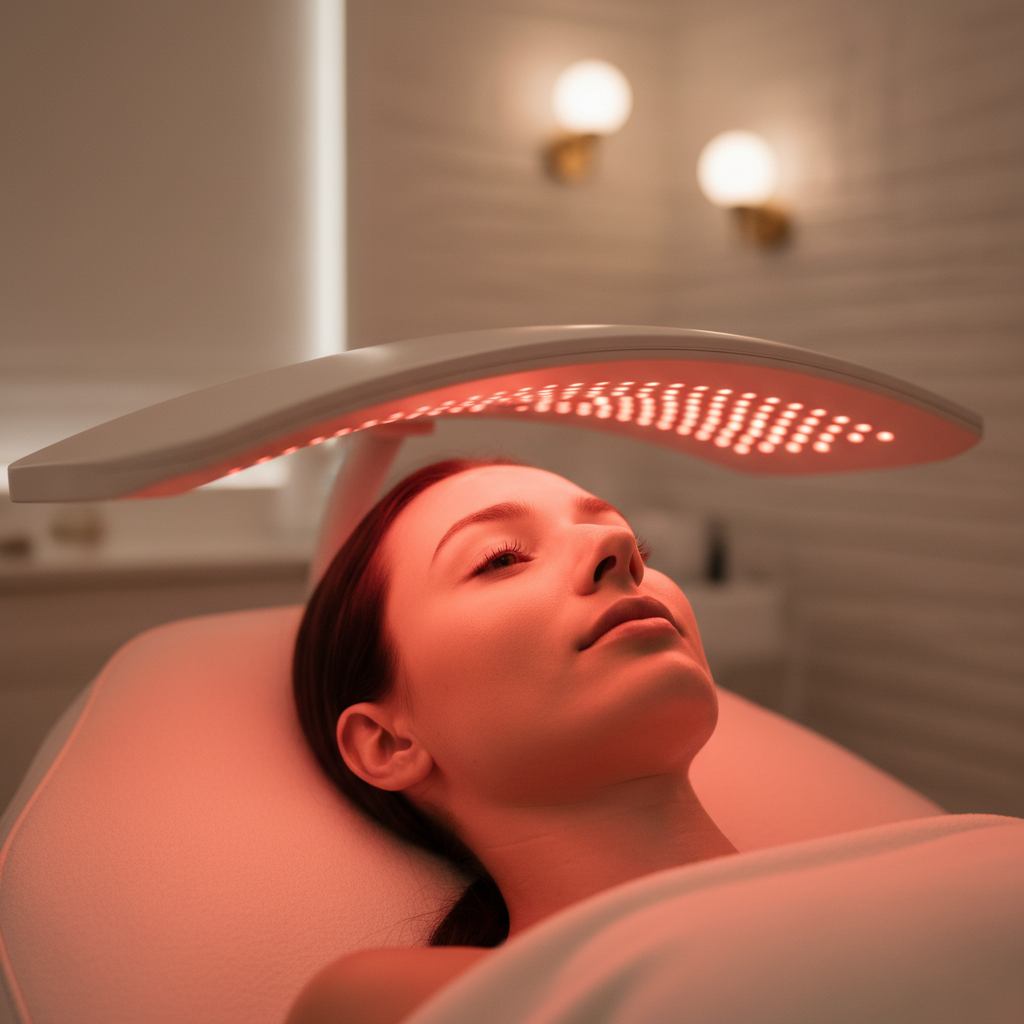
Understanding the Glow: What is Red Light Therapy?
In recent years, Red Light Therapy—often referred to as LED (Light Emitting Diode) therapy or Photobiomodulation—has moved from the fringes of wellness into the mainstream of dermal science. At our Tweed Heads clinic, we often see clients who are curious but understandably sceptical about how sitting under a light can actually change their skin.
As a dermal clinician, I believe in looking past the marketing and focusing on the cellular mechanics. Red light therapy isn't magic; it is a sophisticated way of delivering specific wavelengths of light to the skin to encourage natural biological processes.
How It Works: The Cellular Powerhouse
To understand red light, we have to look at our cells, specifically the mitochondria. Often described as the 'powerhouse' of the cell, the mitochondria produce adenosine triphosphate (ATP), which is the energy currency our cells use to function, repair, and regenerate.
When skin is exposed to red light (typically in the 630–660 nanometre range) and near-infrared light (around 830 nanometres), the light photons are absorbed by a protein in the mitochondria called cytochrome c oxidase. This interaction helps the mitochondria produce ATP more efficiently.
Think of it like a flat battery receiving a steady, gentle charge. When your skin cells have more energy, they can perform their duties—like producing structural proteins or repairing minor damage—more effectively.
What the Evidence Suggests
While we avoid making sweeping guarantees, the peer-reviewed evidence for LED therapy is growing. Research generally focuses on three main areas of skin health:
1. Supporting Ageing Skin
Red light is frequently studied for its ability to stimulate fibroblasts, the cells responsible for producing collagen and elastin. By supporting these structural fibres, regular treatments may help to improve the appearance of fine lines and overall skin texture over a long-term programme.
2. Calming Inflammation
One of the most immediate benefits we observe in clinic is the reduction of visible redness. Red light therapy has a soothing effect, making it an excellent adjunct for those managing reactive skin or recovering from more intensive clinical treatments. It helps to settle the skin’s inflammatory response, leading to a more even-toned complexion.
3. Enhancing Wound Healing
Because it supports cellular energy, LED is often used to speed up the skin's natural recovery process. Whether it is a minor blemish or the aftermath of a professional treatment, red light helps the skin move through its repair phases more efficiently.
Realistic Expectations: What LED Can and Cannot Do
It is important to remain grounded when discussing results. Because red light therapy is non-invasive and gentle, it does not produce the dramatic, immediate changes seen with surgery or high-intensity lasers.
- Consistency is Key: A single session of red light therapy will likely leave your skin looking refreshed and 'plump' for a day or two, but long-term changes to skin structure require a consistent programme. We often recommend a series of treatments over several weeks.
- It’s a Team Player: Red light therapy works best when integrated into a broader skin health plan. It complements your at-home moisturiser and sun protection rather than replacing them.
- Subtlety is Normal: The changes are often cumulative. You might notice your skin feels less reactive, looks slightly brighter, or that your fine lines seem softer after a few months of regular use.
Professional vs. At-Home Devices
I am often asked if the masks seen on social media are worth the investment. While some reputable at-home devices can provide a maintenance benefit, they generally lack the power and precision of clinical-grade LED panels.
Clinical devices are calibrated to deliver specific, high-intensity doses of light at precise wavelengths. They also cover the entire face and neck evenly, ensuring the energy reaches the deeper layers of the dermis where it is needed most. For those looking to address specific concerns, a clinical-strength treatment is usually the preferred starting point.
Is Red Light Right for You?
Red light therapy is one of the few treatments that is suitable for almost every skin type. Because it does not rely on heat or trauma to stimulate change, it is a safe option for those with sensitive skin who might struggle with more aggressive interventions.
However, it is not suitable for everyone. Certain medications that increase light sensitivity (photosensitising drugs) or specific medical conditions may mean you should avoid LED. A thorough consultation is always the first step to ensure any treatment is appropriate for your unique biology.
Disclaimer: This article provides general information and is not intended as personal medical advice. Skin treatments should always be tailored to the individual following a professional assessment.
If you would like to discuss how light therapy might fit into your personalised skin health programme, please book a consultation with us at the clinic.
Ready when you are
Not sure what your skin needs? Start with a consultation.
Chevonne will assess your skin, explain your options in plain language, and only recommend what suits your skin and budget.
Book online