
Red Light Therapy: Understanding the Science and Setting Expectations
17 October 2026 · Chevonne Stewart
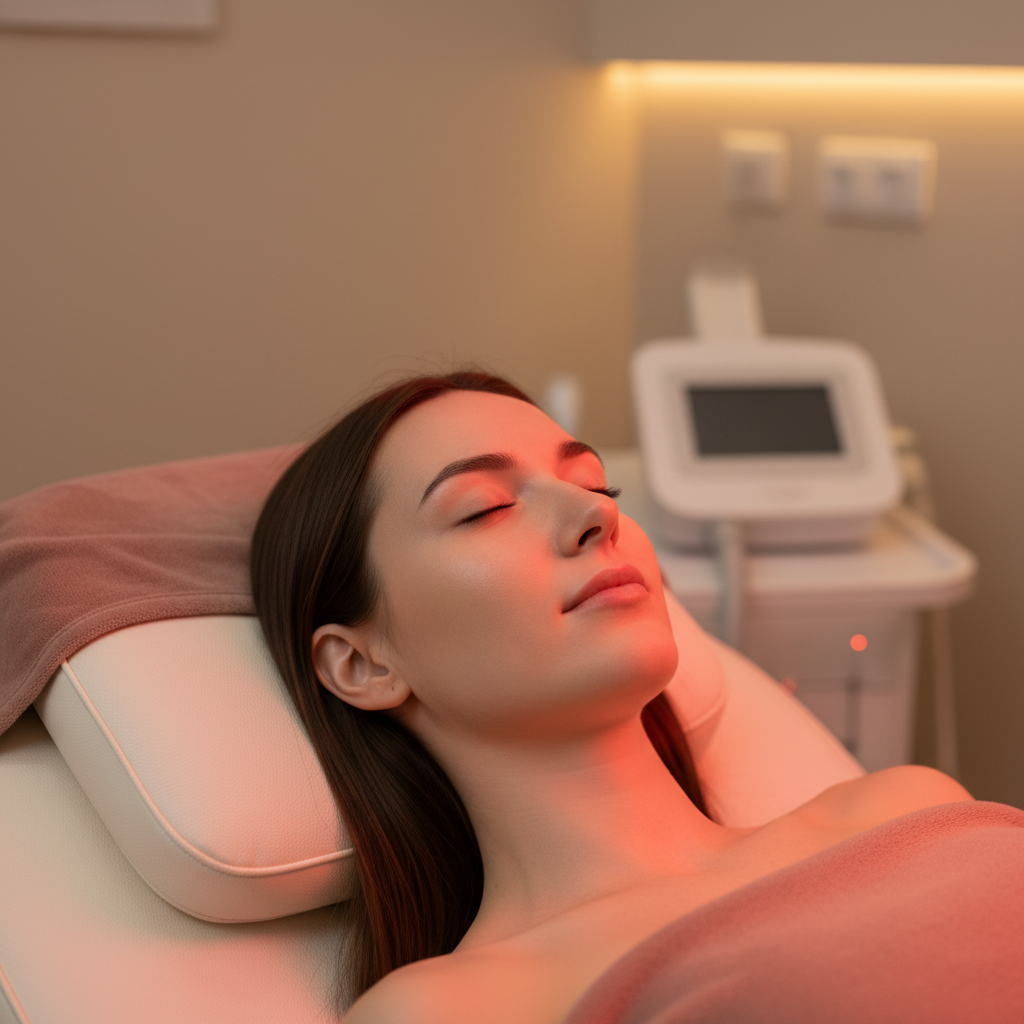
In recent years, red light therapy has moved from the clinical rooms of dermal clinicians into the homes of many Australians. Whether you have seen the glowing LED masks on social media or heard about their benefits for healing, it is easy to feel overwhelmed by the marketing claims.
At Fundamental Skin, I believe in looking at the evidence behind these technologies. With 15 years of experience as a dermal clinician, I have seen many trends come and go, but Red Light Therapy (properly known as Low-Level Light Therapy or LLLT) remains a staple because it is rooted in biological science rather than just beauty hype.
What Exactly is Red Light Therapy?
Red light therapy involves exposing the skin to specific wavelengths of light, typically between 630 and 700 nanometres. Unlike the ultraviolet (UV) rays from the sun that cause damage, or the intense heat of a surgical laser, these wavelengths are non-thermal and non-ionising.
Think of it as 'photosynthesis for humans'. The light penetrates the skin and is absorbed by the mitochondria—the power stations of our cells. This triggers a process called photobiomodulation, which encourages the cells to produce more energy (ATP), helping them function, repair, and regenerate more efficiently.
The Evidence: What Can It Actually Do?
When we look at peer-reviewed dermatological studies, the evidence for red light therapy is strongest in a few key areas:
Supporting Collagen Production
As we age, our natural collagen production slows down. Research suggests that consistent exposure to red light can stimulate fibroblasts—the cells responsible for producing collagen and elastin. This doesn't happen overnight, but over a period of months, it may lead to a more resilient skin texture and a reduction in the appearance of fine lines.
Calming Inflammation and Redness
Red light has a naturally soothing effect. It is often used in a clinical setting to reduce inflammation and accelerate the body's natural healing response. This makes it a fantastic 'support' treatment for those dealing with general sensitivity or those who want to minimise downtime after more intensive clinical procedures.
Improving Circulation
By encouraging vasodilation (the widening of blood vessels), red light therapy helps deliver oxygen and nutrients to the skin cells more effectively. This often results in what many people describe as a 'healthy glow' immediately after a session.
Setting Realistic Expectations
While the science is exciting, it is important to be realistic about what Red Light Therapy can and cannot achieve. In an era of instant gratification, this is a 'slow and steady' modality.
- It is not a facelift: While it helps with skin quality and fine lines, it will not significantly lift sagging tissue or replace the structural results of more intensive treatments like HIFU.
- Consistency is crucial: A single session won't provide lasting changes. Most clinical studies showing visible results involve treatments performed 2–3 times a week over an 8-to-12-week period.
- At-home vs. Clinical devices: There is a significant difference in power output (irradiance). While high-quality at-home masks are a great maintenance tool, clinical-grade panels used in-clinic deliver a much higher dose of energy in a shorter amount of time.
Is it Safe for Everyone?
One of the reasons I appreciate red light therapy is its high safety profile. It is non-invasive, painless, and requires zero downtime. However, it is not suitable for everyone. People with a history of photosensitivity, those taking certain light-sensitising medications, or individuals with active skin cancers should avoid it or seek medical clearance first.
We also ensure that the eyes are always protected during clinical sessions, as the brightness can be intense even if the light itself isn't harmful to the skin.
How to Incorporate It into Your Routine
If you are considering red light therapy, it is best used as a complementary piece of your skin health puzzle. It works beautifully alongside a structured skincare routine featuring antioxidants and daily sun protection. In our Tweed Heads clinic, we often use it as a 'finishing touch' to other treatments to kickstart the healing process and calm the skin before the client leaves.
If you are looking for a miracle cure that works in one day, you might be disappointed. But if you are looking for an evidence-based way to support your skin’s long-term health, resilience, and vitality, red light therapy is a wonderful tool to have in your kit.
Disclaimer: This article provides general information only and is not intended as medical advice. Results can vary significantly between individuals based on skin type and condition.
If you would like to discuss whether red light therapy is the right fit for your specific skin concerns, please book a consultation for individualised advice.
Ready when you are
Not sure what your skin needs? Start with a consultation.
Chevonne will assess your skin, explain your options in plain language, and only recommend what suits your skin and budget.
Book online