
Red Light Therapy: Understanding the Evidence and Realistic Results
17 September 2026 · Chevonne Stewart
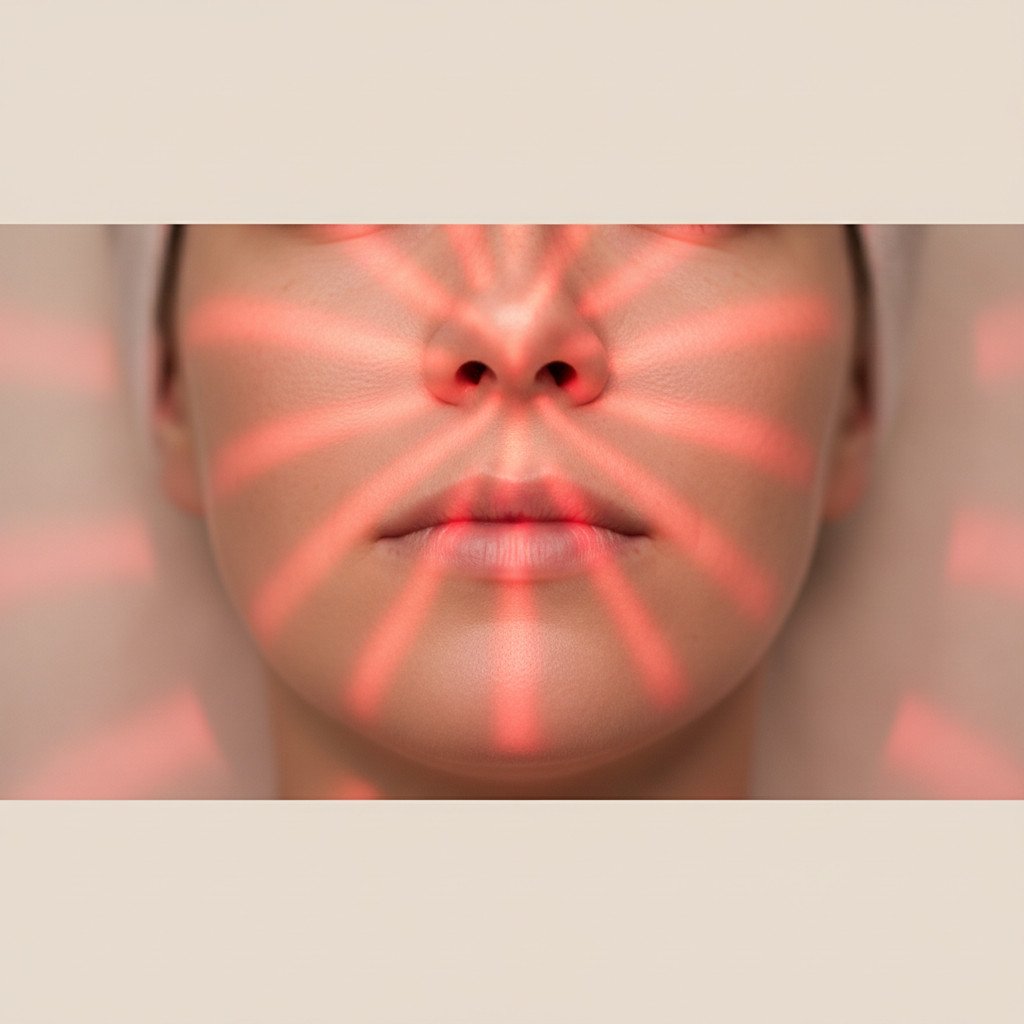
Introduction to Light-Based Therapy
If you have spent any time researching skincare lately, you have likely come across the bright glow of red light therapy. Often referred to as LED (Light Emitting Diode) therapy or Photobiomodulation, this treatment has moved from the niche world of space exploration and medical recovery into the mainstream skincare clinic.
At Fundamental Skin, we prefer to look past the social media trends and focus on the biological mechanisms. As a dermal clinician, my role is to help you understand what this technology can actually do for your skin, why the evidence matters, and how to manage your expectations when incorporating it into your routine.
Disclaimer: The information provided in this article is for educational purposes and does not constitute medical advice. Please consult with a degree-qualified professional for a personalised assessment of your skin concern.
The Science of Photobiomodulation
To understand how red light works, we have to look at our cells. The primary target for red light (typically in the 630-660 nanometre range) is an enzyme in our mitochondria—the 'powerhouse' of the cell—called cytochrome c oxidase.
When these specific wavelengths of light are absorbed by the skin, they stimulate the production of Adenosine Triphosphate (ATP). ATP is the energy currency of the cell. By boosting this energy, the light therapy helps cells function more efficiently. In the context of the skin, this means supporting the fibroblasts—the cells responsible for producing collagen and elastin.
Unlike laser treatments or chemical peels that rely on 'controlled trauma' to trigger a healing response, red light therapy is non-thermal and non-invasive. It works by supporting the skin’s natural reparative processes rather than forcing them through injury.
What Does the Evidence Say?
Clinical evidence regarding red light therapy is robust, particularly for specific concerns. Research suggests that consistent exposure to clinical-grade red light can lead to:
- Enhanced Collagen Density: Studies have shown that regular sessions can help improve the structural integrity of the skin, leading to a subtle improvement in texture and firmness over time.
- Reduced Inflammation: Red light is highly effective at modulating the inflammatory response, making it a valuable tool for those with reactive skin or those recovering from more intensive clinical procedures.
- Improved Wound Healing: The technology was originally popularised for its ability to speed up tissue repair, which is why we often use it to support recovery after needling or laser treatments.
- Circulation Support: It encourages healthy micro-circulation, which helps deliver oxygen and nutrients to the skin cells while assisting in the removal of metabolic waste.
Realistic Expectations: What to Expect
It is important to be realistic about what red light therapy can achieve. While it is an excellent supportive treatment, it is not a 'miracle' that will replicate the results of a surgical facelift or heavy-duty resurfacing laser.
The Timeline for Results
Because red light works at a cellular level, you will not see a total transformation after one 20-minute session. While many clients report a 'glow' immediately following a treatment due to increased circulation, the structural benefits—such as collagen support—typically take 8 to 12 weeks of consistent application to become noticeable.
Frequency is Key
In the clinic, we use high-output panels that deliver a precise dose of energy. However, even with clinical-grade equipment, consistency is the most important factor. Think of red light therapy like going to the gym; one workout is good, but a regular programme is what creates lasting change.
The Difference Between Clinic and Home Devices
You may have seen wearable masks for home use. While some reputable home devices can be a helpful maintenance tool, there is a significant difference in power output (irradiance) and wavelength precision compared to professional equipment. Clinical devices are designed to deliver the optimal 'therapeutic window' of energy to reach the deeper layers of the dermis effectively.
Is Red Light Therapy Right for You?
One of the greatest benefits of this modality is its safety profile. Because it does not use UV light, it does not damage the skin or increase the risk of sun damage. It is suitable for almost all skin types and can be integrated into most skincare routines.
However, it may not be suitable for those with certain light-sensitive conditions or those taking photosensitising medications. We always perform a thorough consultation to ensure that any light-based therapy is safe and appropriate for your specific health history.
Integrating Light into Your Routine
At our Tweed Heads clinic, we often use red light therapy as a 'buffer' or a 'booster.' It can be a standalone treatment for those looking to revitalise a dull complexion, or a secondary step to calm the skin and minimise downtime after a more active treatment.
When you approach your skin health from an evidence-based perspective, you realise that the best results come from a combination of professional treatments, high-quality topical skincare, and the patience to let your biological processes work their magic.
If you would like to discuss how LED therapy might fit into your personalised skin programme, I invite you to book a consultation so we can look at your skin and goals together.
Ready when you are
Not sure what your skin needs? Start with a consultation.
Chevonne will assess your skin, explain your options in plain language, and only recommend what suits your skin and budget.
Book online