
A Modern Guide to Chemical Peels: What to Expect and How to Care for Your Skin
15 October 2026 · Chevonne Stewart
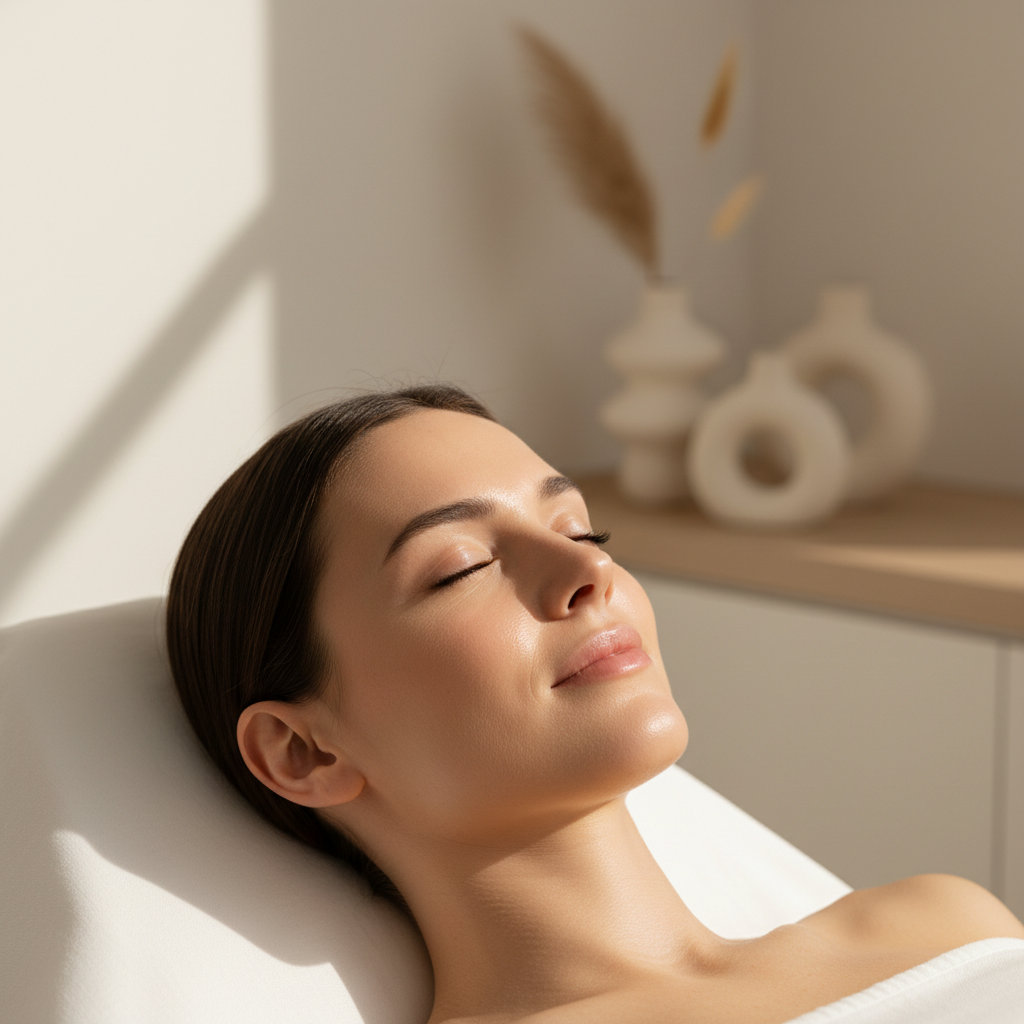
Demystifying the Chemical Peel
When many people hear the term 'chemical peel', their minds often jump to dramatic television tropes involving bright red faces and weeks of seclusion. In reality, modern dermal science has evolved significantly. Today, chemical peels are sophisticated, controlled methods of exfoliation used to support the skin’s natural regenerative processes.
At Fundamental Skin, we view peels not as a way to 'strip' the skin, but as a way to encourage cellular turnover and address specific concerns like texture, congestion, or uneven tone. Because we specialise in evidence-based care here in Tweed Heads, we focus on treatments that respect the skin barrier while achieving meaningful improvements.
How Chemical Peels Work
A chemical peel involves the application of a specific acid solution to the skin. This solution works by dissolving the 'glue' that holds dead skin cells together on the surface. By removing this outermost layer in a controlled manner, we signal to the deeper layers of the skin to produce fresh cells.
The depth and intensity of a peel depend on the type of acid used (such as Salicylic, Lactic, or Glycolic acid), its concentration, and its pH level. A degree-qualified clinician will always analyse your skin type and history to select the appropriate strength, ensuring the treatment is effective without being unnecessarily aggressive.
What to Expect During Your Treatment
If you haven't had a clinical peel before, the sensation can be a little surprising, but it is generally well-tolerated.
- Preparation: We begin by thoroughly cleansing the skin to remove surface oils and debris. This ensures the peel can penetrate evenly.
- Application: The solution is applied using a brush or gauze. You may feel a mild tingling, itching, or a warm 'spicy' sensation.
- Monitoring: During the application, your clinician monitors your skin for any signs of over-activity, such as localised redness or 'frosting' (a white appearance indicating the acid has reached a certain depth).
- Neutralisation or Completion: Some peels are neutralised with a specific alkaline solution, while others are self-neutralising and are left on the skin to be washed off at home later.
Understanding the Downtime
The word 'downtime' is often misunderstood. It doesn't necessarily mean you have to stay indoors; rather, it refers to the period where your skin is visibly recovering.
- Days 1–2: Your skin may feel tight, slightly dry, or look a little flushed, similar to a very mild sunburn.
- Days 3–5: This is typically when 'peeling' or flaking occurs. It might look like light dandruff or small patches of dry skin, particularly around the mouth and nose. It is vital not to pick or pull at this skin.
- Days 6–7: The flaking usually subsides, revealing a fresher, smoother surface.
It is important to note that not everyone visibly peels. Even if you don't see skin falling off, the treatment is still working at a cellular level. Factors like your skin’s hydration levels and your current home-care routine can influence how much visible shedding occurs.
Essential Post-Peel Aftercare
How you treat your skin in the seven days following a peel is just as important as the treatment itself. The new skin being revealed is delicate and more susceptible to environmental damage.
The Golden Rules of Recovery
- Do Not Pick: It is tempting to peel off flaking skin, but doing so can lead to scarring or post-inflammatory hyperpigmentation. Let the skin shed naturally in its own time.
- Sun Protection is Non-Negotiable: Your skin will be extra sensitive to UV rays. Wear a broad-spectrum SPF 50+ every single day, wear a hat, and seek shade where possible.
- Gentle Cleansing: Use a creamy, soap-free cleanser and lukewarm water. Avoid hot showers on your face, as heat can increase inflammation.
- Hydrate and Nourish: Use the specific post-treatment balm or moisturiser recommended by your clinician. Look for ingredients like ceramides and panthenol which help repair the barrier.
- Pause Active Ingredients: Stop using retinoids (Vitamin A), Vitamin C, or exfoliating acids (AHAs/BHAs) for at least 5 to 7 days, or until your clinician advises it is safe to resume.
Who Should Avoid Chemical Peels?
While peels are versatile, they aren't for everyone at every time. We generally advise against peels if you have active cold sores, open wounds, a history of keloid scarring, or if you have used certain oral acne medications in the last six months. We also take extra care with skin of colour to ensure we do not trigger unwanted pigmentation.
Disclaimer: This article provides general information only and does not constitute medical advice. A physical assessment is required to determine if a treatment is suitable for your specific needs.
If you would like to discuss how a professional peel might benefit your skin concerns, please book a consultation for a personalised assessment.
Ready when you are
Not sure what your skin needs? Start with a consultation.
Chevonne will assess your skin, explain your options in plain language, and only recommend what suits your skin and budget.
Book online