
Cosmetic LED Appointments: Suitability, Precautions and Questions to Ask
29 October 2026 · Chevonne Stewart
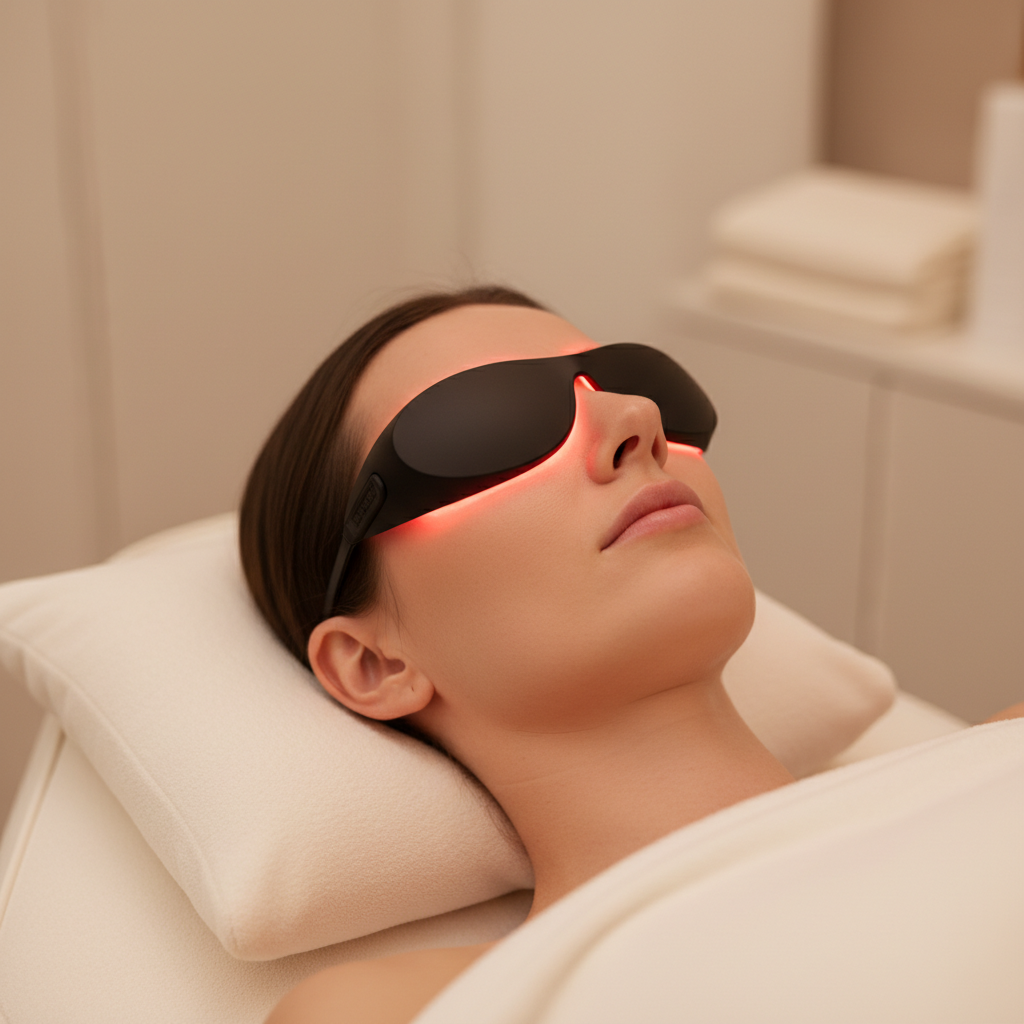
Low-level light therapy, commonly known as LED (Light Emitting Diode) therapy, has become a staple in modern skincare clinics. While it is often praised for being a gentle, non-invasive option for improving the appearance of the skin, it is not a 'one size fits all' treatment. Like any clinical procedure, its effectiveness and safety depend on proper assessment, high-quality equipment, and an understanding of your unique skin history.
At Fundamental Skin, we believe in transparency and evidence-based care. If you are considering adding LED to your routine, here is a guide on who it is suitable for, the precautions you should take, and the questions you should ask your clinician.
Is Cosmetic LED Right for You?
LED therapy uses specific wavelengths of light to interact with the skin. Unlike UV light from the sun or tanning beds, cosmetic LED does not contain harmful ultraviolet rays. Instead, it focuses on visible light spectrums, such as red and blue, to support the skin's appearance.
General Suitability
You might be a good candidate for LED if you are looking to:
- Improve the appearance of fine lines and skin texture.
- Support the skin's recovery after more intensive treatments like chemical peels or IPL.
- Manage the appearance of mild congestion or breakout-prone skin.
- Enhance your skin’s overall radiance and 'glow' without downtime.
Because LED does not rely on heat (thermal injury) to produce a result, it is often suitable for a wide range of skin types, including those who may not be candidates for more aggressive resurfacing treatments.
Important Safety Precautions
While LED is generally low-risk, there are specific circumstances where it may not be appropriate. Safety should always be the priority when light-based devices are involved.
Light Sensitivity (Photosensitivity)
Certain medications and health conditions can make your skin or eyes hypersensitive to light. If you are taking medications that list photosensitivity as a side effect, you must inform your clinician. This includes some common oral treatments for skin congestion, certain antibiotics, and even some herbal supplements like St. John’s Wort.
Eye Protection
The LEDs used in professional clinics are extremely bright. Standard sunglasses are not sufficient. Your clinician should provide specialised, opaque goggles or light-blocking shields that fit snugly to protect your retinas during the session.
Health Conditions
LED may not be suitable for individuals with a history of epilepsy or seizures triggered by light. It is also generally avoided if you have active skin cancers in the treatment area or certain autoimmune conditions that affect how the skin reacts to light. If you are pregnant, while there is no evidence of direct harm, many clinics (including ours) prefer to proceed with caution or require a clearance from your obstetrician.
Questions to Ask Your Dermal Clinician
Before you start a programme of LED treatments, it is worth having a conversation with your provider to ensure you are receiving a professional standard of care. Here are five questions to help you get started:
1. What wavelengths are being used?
The wavelength (measured in nanometres or nm) determines how the light interacts with the skin. For example, red light is typically around 633nm, while near-infrared is around 830nm. If a device cannot specify its wavelengths, it may not be providing the specific light energy needed to achieve your goals.
2. Is the device TGA-listed?
In Australia, therapeutic goods are regulated by the Therapeutic Goods Administration (TGA). Devices that are TGA-listed have undergone scrutiny regarding their safety and the claims made by the manufacturer. Using a regulated device ensures a higher standard of quality control compared to unregulated, 'home-use' or 'beauty-grade' masks.
3. How do you integrate LED into a wider skin plan?
LED works best as a supportive therapy rather than a standalone miracle. Ask your clinician how these sessions will complement your current topical skincare (like your moisturisers and sunscreens) and any other clinical treatments you are receiving.
4. What are the realistic expectations for my skin concern?
LED is a subtle, cumulative treatment. You won't see a dramatic change after a single 20-minute session. Ask your clinician for a realistic timeline. A series of treatments is usually required to see a visible improvement in skin tone or texture.
5. Are there any contraindications specific to my history?
A professional clinician should perform a thorough intake. Don't be afraid to double-check if your specific lifestyle, supplements, or recent health changes could impact your suitability for the treatment.
The Fundamental Skin Approach
We focus on the long-term health of your skin barrier. We use LED as a tool to revitalise the skin's appearance and provide a soothing, relaxing experience for our Tweed Heads clients. By prioritising a degree-qualified assessment, we ensure that every light session is both safe and appropriate for your individual needs.
Disclaimer: This article provides general information only and is not medical advice. For concerns regarding specific skin conditions or light sensitivity, please consult your GP or dermatologist.
If you would like to discuss whether LED is a suitable addition to your personalised skin programme, we invite you to book a consultation with us.
Ready when you are
Not sure what your skin needs? Start with a consultation.
Chevonne will assess your skin, explain your options in plain language, and only recommend what suits your skin and budget.
Book online