
The Big Four: Building an Evidence-Based Skincare Routine
20 September 2026 · Chevonne Stewart
Introduction to Evidence-Based Care
When you walk down the skincare aisle or scroll through social media, the sheer volume of products can be overwhelming. As a dermal clinician, my goal is always to cut through the marketing noise and focus on what the science tells us. In the world of clinical skincare, we often talk about the 'Big Four' ingredients. These are the workhorses that have decades of peer-reviewed research supporting their efficacy.
Whether you are 35 or 65, your skin concerns likely fall into a few key categories: managing the signs of ageing, maintaining a healthy barrier, and protecting against environmental damage. By focusing on Vitamin A, Vitamin C, Niacinamide, and SPF, we can address these concerns without an overly complicated ten-step routine.
Disclaimer: The following information is for educational purposes and does not constitute medical advice. Please consult with a qualified professional before starting new active ingredients.
Vitamin C: The Morning Shield
Vitamin C, or L-ascorbic acid, is a potent antioxidant that plays a vital role in skin health. In our Tweed Heads climate, our skin is constantly under siege from free radicals—unstable molecules caused by UV exposure and pollution that damage our cells.
How it Works
Vitamin C neutralises these free radicals, acting like a second line of defence under your sunscreen. It is also a necessary co-factor for collagen synthesis. Without adequate Vitamin C, our skin cannot efficiently produce the structural proteins that keep it firm. Additionally, it helps to brighten the complexion by mildly inhibiting the enzymes responsible for excess pigment production.
Clinician’s Tip
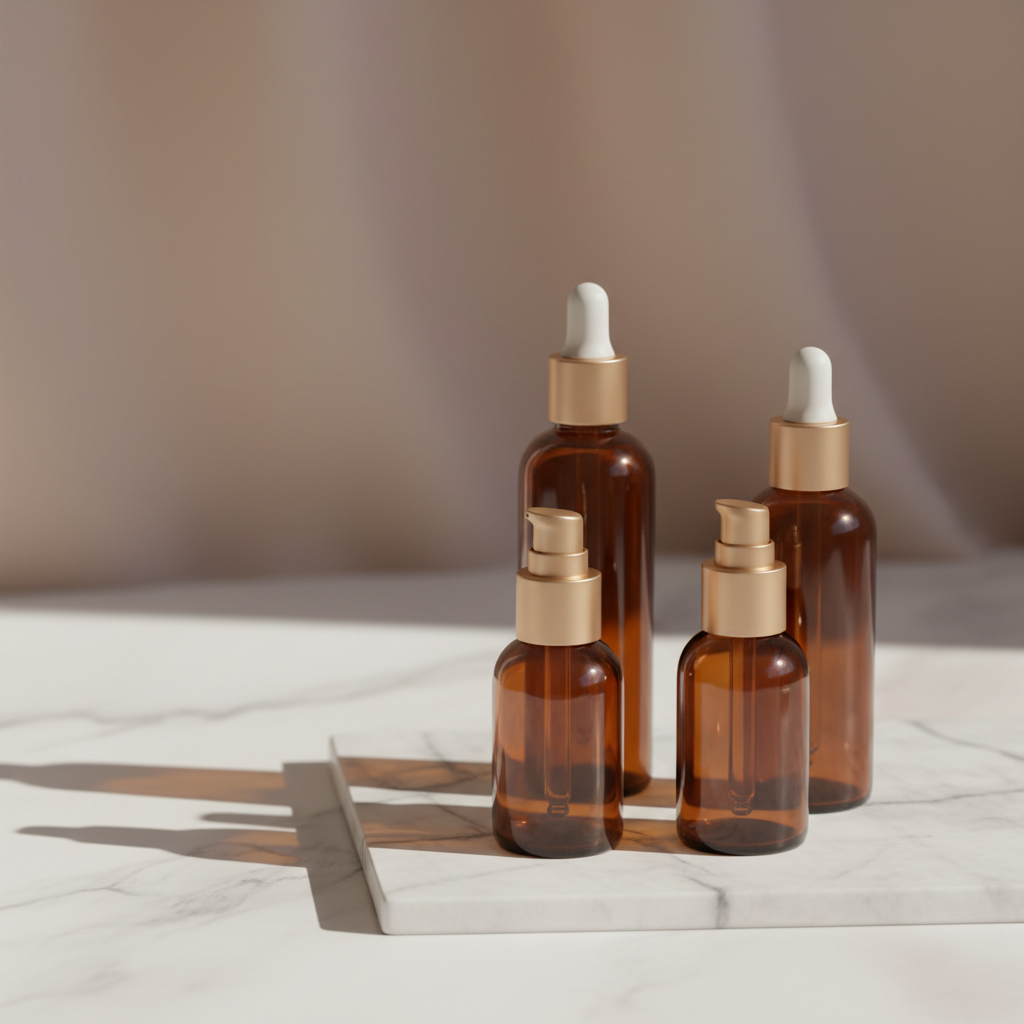
Vitamin C is notoriously unstable. Look for serums in dark, airtight packaging and aim for a concentration between 10% and 20%. If your serum turns a dark orange or brown colour, it has likely oxidised and will no longer be effective.
Niacinamide: The Great Communicator
Niacinamide, also known as Vitamin B3, is perhaps the most versatile ingredient in my toolkit. It is generally well-tolerated by all skin types, including those with sensitive skin or rosacea.
Supporting the Barrier
One of Niacinamide's primary roles is to increase the production of ceramides—the fatty acids that keep our skin barrier intact. When your barrier is strong, you lose less moisture to the environment (transepidermal water loss) and are less prone to irritation.
Regulating and Refining
Niacinamide also helps to regulate oil production and can minimise the appearance of enlarged pores by improving skin elasticity. For those over 30 who still experience occasional congestion but want to focus on healthy ageing, Niacinamide is an essential bridge between those two concerns.
Vitamin A: The Gold Standard
If we could only pick one ingredient to improve skin texture and cellular function, it would be Vitamin A (retinoids). This is the ingredient that 'teaches' older or damaged skin cells how to behave like younger, healthier cells again.
The Importance of Conversion
Vitamin A comes in many forms, from Retinol to Retinaldehyde and prescription-strength Tretinoin. Once applied, the skin converts these into retinoic acid. This process speeds up cellular turnover, meaning dull, damaged surface cells are shed more efficiently, revealing fresher skin underneath.
Managing the Transition
Because Vitamin A is powerful, it can cause 'retinisation'—a period of dryness or flaking—if introduced too quickly. We always recommend starting two nights a week and slowly increasing frequency as your skin builds tolerance. It is a marathon, not a sprint.
SPF: The Non-Negotiable
It may seem basic, but Sun Protection Factor (SPF) is the most important 'active' ingredient in your cabinet. In Australia, approximately 80% of visible skin ageing is caused by UV exposure.
Prevention Over Correction
You can spend a significant amount of money on high-end serums, but their effects will be negated if you are not protecting the new, healthy cells from UV damage. SPF works by either reflecting UV rays (physical filters like Zinc Oxide) or absorbing and converting them into heat (chemical filters).
Proper Application
To achieve the rating on the bottle, you need to use approximately half a teaspoon for the face, neck, and ears. Most people apply far too little, receiving only a fraction of the stated protection. Reapplication is key, especially if you are outdoors or near a window during the day.
How to Layer Your Routine
A common question in the clinic is how to fit these all into a day. A standard, evidence-based routine often looks like this:
- Morning: Cleanse, Vitamin C serum, Niacinamide (if not already in your moisturiser), Moisturiser, and SPF 50+.
- Evening: Double cleanse (to remove SPF and pollutants), Vitamin A, and a nourishing moisturiser to support the barrier overnight.
By staying consistent with these four pillars, you provide your skin with the tools it needs to repair, protect, and revitalise itself. While fancy packaging and exotic botanical extracts are tempting, the clinical data remains firmly behind these four essentials.
If you would like a personalised programme tailored to your specific skin type and goals, please book a consultation at the clinic.
Ready when you are
Not sure what your skin needs? Start with a consultation.
Chevonne will assess your skin, explain your options in plain language, and only recommend what suits your skin and budget.
Book online