.png)
Superficial Pigmentation Treatment: Your 2026 Guide

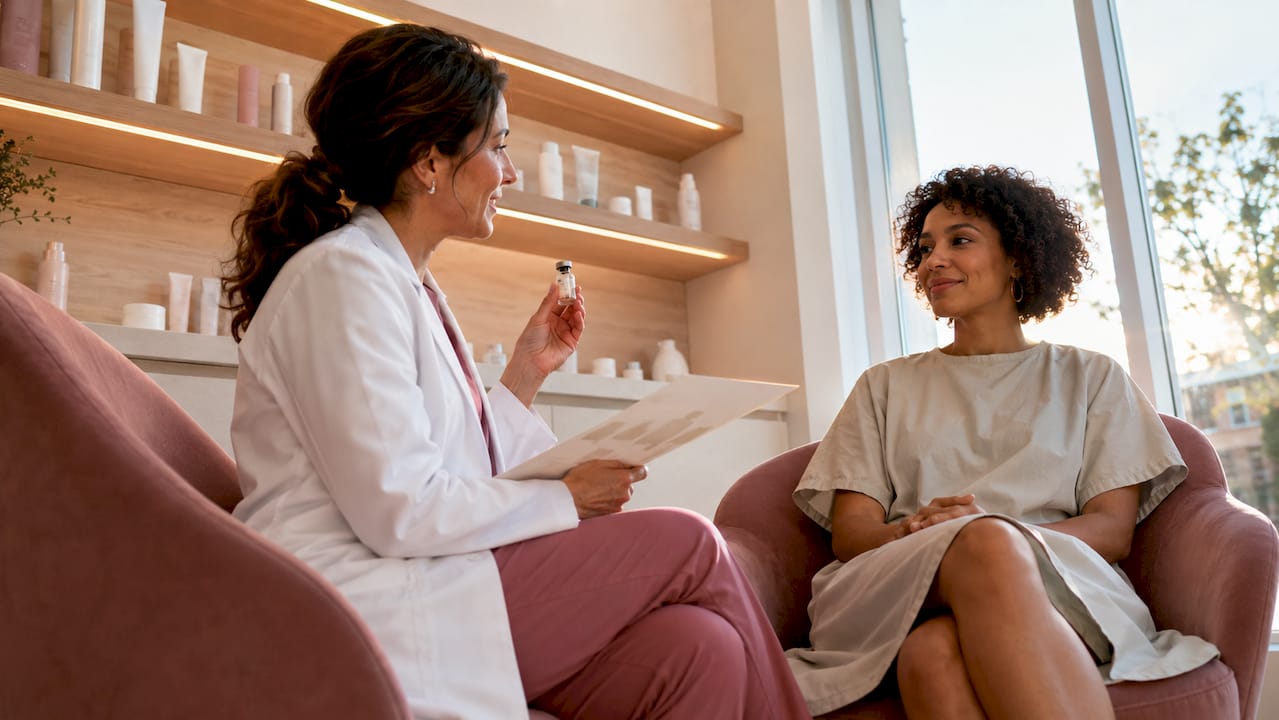
Superficial pigmentation treatment is defined as a targeted clinical approach that exfoliates and lightens excess melanin confined to the epidermis, using gentle chemical peels, topical agents, and light-based therapies to improve skin tone and reduce visible discoloration. The industry term for this category is superficial chemical exfoliation, and it sits at the first line of procedural care for conditions like sun damage, melasma, and post-inflammatory hyperpigmentation (PIH). Treatments typically require 4 to 6 sessions spaced two to four weeks apart for visible results, with minimal downtime between appointments. That makes them one of the most accessible pigmentation removal methods available today, especially for women who cannot afford days of recovery. Crucially, these treatments are safe across a wide range of skin tones when the right acid, concentration, and protocol are matched to your skin type.
What is superficial pigmentation treatment and how does it work?
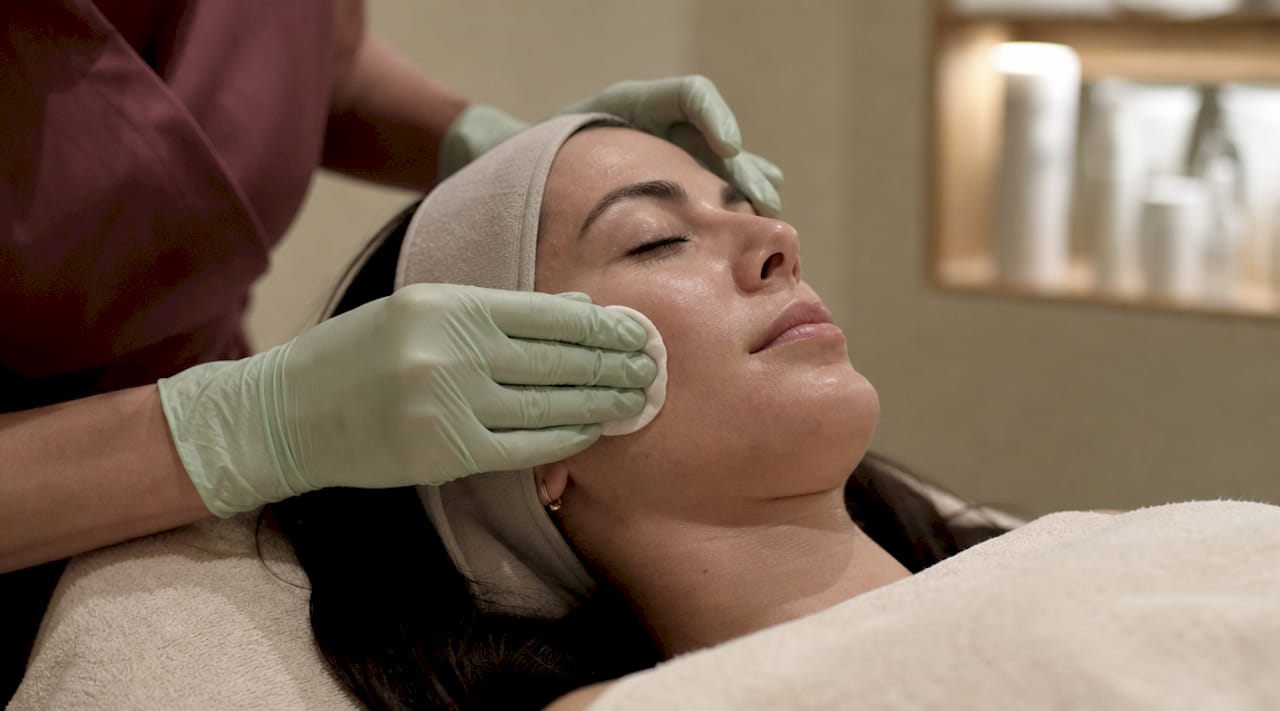
Superficial peels work by applying an acid solution to the outermost layer of skin, the epidermis, to dissolve the bonds holding dead, pigmented cells together. As those cells shed, fresher, less pigmented skin surfaces. The process also accelerates melanin turnover, meaning the skin produces and sheds pigment faster than it accumulates, gradually evening out your tone.
The acids most commonly used include glycolic acid (20 to 35%), lactic acid (10 to 50%), mandelic acid (20 to 40%), and salicylic acid (20 to 30%). Each one penetrates at a slightly different depth and speed, which is why matching the right acid to your skin type matters more than simply choosing the highest concentration. The goal is always to stay within the epidermis. Going deeper increases inflammation, and inflammation is the primary trigger for PIH, especially in Fitzpatrick IV through VI skin types.
After a superficial peel, most people experience mild redness and light flaking for two to four days. Normal activities and makeup application can resume quickly, making these treatments practical for busy schedules. The cumulative effect builds across sessions. One peel produces a subtle refresh; a full course of four to six treatments produces measurable, lasting improvement in tone and texture.
Glycolic acid: Fast-acting, ideal for fair to medium skin tones, targets surface pigment effectively
Lactic acid: Gentler hydration-boosting option, suitable for sensitive or dry skin
Mandelic acid: Larger molecule, slower penetration, the safest choice for darker skin tones
Salicylic acid: Oil-soluble, excellent for acne-related PIH and oily skin types
Pro Tip: If you have a medium to deep skin tone (Fitzpatrick III to VI), ask your clinician specifically about mandelic or lactic acid peels. These carry a significantly lower risk of rebound pigmentation compared to glycolic acid at equivalent concentrations.
What are the key types of superficial pigmentation solutions?
Not all superficial pigmentation solutions are created equal. The choice of acid, concentration, and adjunct therapy determines both your results and your safety profile. Here is how the most common options compare.
Treatment | Active Agent | Best For | Downtime |
Glycolic acid peel | AHA, 20–35% | Fair to medium skin, sun damage | 2–3 days light flaking |
Lactic acid peel | AHA, 10–50% | Sensitive, dry, or medium skin | 1–2 days mild redness |
Mandelic acid peel | AHA, 20–40% | Darker skin tones, PIH | Minimal, 1–2 days |
Salicylic acid peel | BHA, 20–30% | Oily, acne-prone skin, PIH | 2–4 days peeling |
IPL with tranexamic acid | Light + topical | Melasma, diffuse pigmentation | Minimal |
For darker skin tones, mandelic or lactic acid peels are the preferred choice because their larger molecular size and slower penetration rate reduce the risk of triggering inflammation that worsens pigmentation. This is one of the most clinically significant distinctions in the field, and one that is frequently overlooked in generic skin lightening treatment advice.
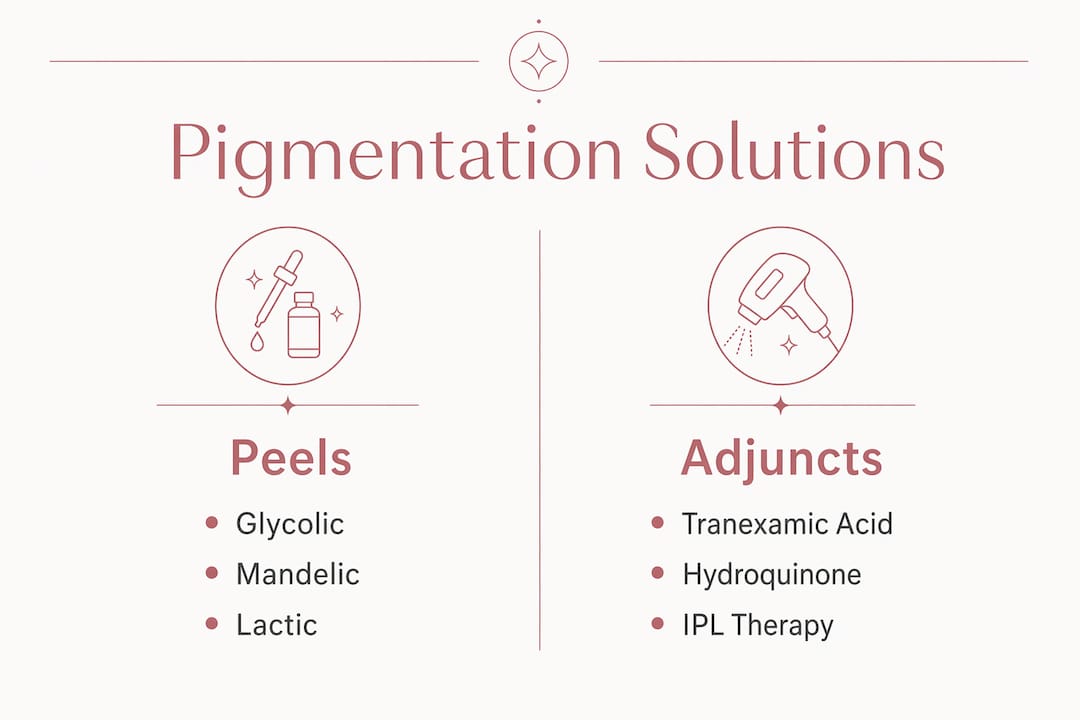
Topical agents like tranexamic acid and hydroquinone are often layered alongside peels to amplify results. Hydroquinone remains the first-line topical treatment for hyperpigmentation according to the 2025 Global Guideline Summary, with procedural treatments reserved as second-line options. This hierarchy matters because it tells you that no peel works optimally without a solid topical foundation in place.
IPL (Intense Pulsed Light) adds another dimension to superficial pigmentation solutions by using filtered light to photothermally target melanin in the skin. It works well for diffuse sun damage and vascular pigmentation but carries its own risk. IPL can induce inflammation that paradoxically worsens pigmentation if used without protective topical support, which is why combination protocols have become the clinical standard for melasma and complex pigmentation cases.
For a broader look at how these options stack up against each other, the 2026 pigmentation treatment comparison at Fundamentalskin is worth reviewing before your first consultation.
What precautions optimize treatment safety and results?
Preparation is not optional. Skin priming for two to four weeks before any superficial pigmentation procedure significantly reduces the risk of post-treatment hyperpigmentation and improves the overall efficacy of the peel. Priming typically involves applying skin-lightening agents like hydroquinone or cysteamine to suppress melanin production before the skin is stressed by exfoliation.
Follow these steps to prepare your skin and protect your results:
Prime for two to four weeks. Use a clinician-recommended lightening agent such as hydroquinone 4% or cysteamine cream nightly to reduce baseline melanin activity before your first session.
Apply broad-spectrum SPF 50 every single morning. Photoprotection is the single most critical factor in treatment success. UV exposure after a peel can undo weeks of progress in a matter of days.
Avoid retinoids and exfoliating actives for five to seven days before each session. Combining these with a peel increases irritation and the risk of over-treatment.
Skip waxing, laser hair removal, and intense exercise for 48 hours post-peel. Heat and friction on freshly treated skin raise inflammation levels and PIH risk.
Watch for signs of over-treatment. Persistent redness beyond four days, blistering, or darkening of treated areas all signal that your protocol needs adjusting. Contact your clinician immediately if these occur.
For expert guidance on managing hyperpigmentation post-procedure, including product recommendations and recovery protocols, Body Face Scalp offers a practical five-step framework that complements clinical treatment well.
Pro Tip: Reapply SPF midday if you are spending time outdoors, even on overcast days. UV radiation penetrates cloud cover and is the number one cause of pigmentation relapse after treatment.
How effective are combination therapies for pigmentation?
Combination therapy is where superficial pigmentation treatment delivers its strongest clinical results. The most well-supported protocol pairs daily topical 3% tranexamic acid with monthly IPL sessions. A clinical study found this combination reduces melanin index by 36.3% over four months, outperforming IPL alone by a significant margin. That percentage represents a measurable, visible shift in skin tone that standalone treatments rarely achieve in the same timeframe.
The reason combination therapy works so well comes down to mechanism layering. Tranexamic acid blocks the interaction between keratinocytes and melanocytes, reducing melanin transfer at the cellular level. IPL simultaneously destroys existing pigment deposits using photothermal energy. Together, they address both the cause and the visible result of pigmentation at the same time.
Approach | Melanin Reduction | PIH Risk | Suitable Skin Types |
Superficial peel alone | Moderate | Low to moderate | All, acid-dependent |
IPL alone | Moderate | Moderate to high | Fitzpatrick I–III |
IPL + tranexamic acid | High (36.3%) | Low | Fitzpatrick I–IV |
Peel + topical agents | Moderate to high | Low | All, protocol-dependent |
The practical takeaway is that no single modality is the best treatment for skin spots across all cases. Your skin tone, pigmentation type, and lifestyle all determine which combination produces the safest and most lasting outcome. Darker skin tones benefit most from peel-based protocols with mandelic or lactic acid, while lighter tones with diffuse sun damage often respond well to IPL-based combination therapy.
Monitoring is non-negotiable with combination approaches. Because PIH risk increases with peel depth and inflammatory intensity, especially in Fitzpatrick IV through VI skin types, your clinician should assess your skin response after each session and adjust the protocol accordingly. Gradual improvement across multiple sessions is the goal, not dramatic change after one treatment.
Key takeaways
Superficial pigmentation treatment works best as a layered protocol combining the right acid peel, targeted topical agents, and strict photoprotection, tailored to your specific skin tone and pigmentation type.
Point | Details |
Define your pigmentation type first | Matching the treatment to your pigmentation depth and skin tone determines success or setback. |
Prime before you peel | Two to four weeks of topical priming reduces PIH risk and improves peel efficacy. |
Combination therapy outperforms solo treatments | IPL plus daily tranexamic acid reduces melanin index by 36.3%, far exceeding standalone results. |
Darker skin tones need gentler acids | Mandelic and lactic acid peels carry lower rebound pigmentation risk for Fitzpatrick IV to VI. |
SPF is non-negotiable | Daily broad-spectrum SPF 50 is the single most important factor in maintaining treatment results. |
What I’ve learned after 15 years treating pigmentation
After more than a decade working with clients across every skin tone and pigmentation type, the most common mistake I see is the belief that more aggressive equals faster results. It does not. Aggressive peels on unprepared or darker skin almost always trigger the very PIH they were meant to treat. I have seen clients arrive after being over-treated elsewhere, with pigmentation that is significantly worse than when they started.
The clients who get the best outcomes are the ones who commit to the full protocol: priming, consistent SPF, spaced sessions, and patience. Pigmentation requires gradual improvement across multiple treatments. That is not a limitation. It is how skin biology works. Trying to shortcut it creates inflammation, and inflammation creates more pigment.
I also want to address the misconception that superficial peels are “too mild” to make a real difference. The research says otherwise. A well-matched superficial peel protocol, supported by the right topicals and photoprotection, produces results that are both visible and lasting. The key word is matched. Matching the peel agent and concentration to your pigment depth and skin type is what separates a great outcome from a setback. That is the skill that comes with clinical experience, not a product you can replicate at home.
My honest advice: consult a qualified Dermal Clinician who has experience with your specific skin tone. Ask to see before-and-after results from clients with similar pigmentation. And trust the process. Your skin did not develop this pigmentation overnight, and it will not clear overnight either.
— chevonne
How Fundamentalskin treats superficial pigmentation
If you are ready to take the next step, Fundamentalskin offers clinically designed treatments built specifically for pigmentation, led by Chevonne with 15 years of Dermal Clinician experience.

The Biomimetic Peel + LED Therapy combines targeted chemical exfoliation with LED light therapy to address superficial pigmentation without downtime, making it ideal for first-time clients or those with sensitive skin. For more complex pigmentation concerns, the Larimedical Peels offer a range of peel options customized to your skin tone and pigmentation depth. The Synergie Peel is another advanced option designed to target superficial pigmentation safely and effectively across skin types. Every treatment at Fundamentalskin is personalized, uses Australia-sourced organic ingredients, and is backed by real before-and-after results.
FAQ
What is superficial pigmentation treatment exactly?
Superficial pigmentation treatment refers to clinical procedures, primarily chemical peels and light-based therapies, that target excess melanin in the epidermis to reduce visible skin discoloration. Common methods include glycolic, lactic, mandelic, and salicylic acid peels, often combined with topical agents like tranexamic acid or hydroquinone.
How many sessions does it take to see results?
Most clients need four to six sessions spaced two to four weeks apart for visible improvement. Results build cumulatively, with skin tone and texture improving progressively across the treatment course.
Is superficial pigmentation treatment safe for dark skin tones?
Yes, when the correct acid is selected. Mandelic and lactic acid peels are the safest options for Fitzpatrick IV through VI skin types because their slower penetration rate reduces inflammation and the risk of post-inflammatory hyperpigmentation.
Can I combine a chemical peel with IPL?
Combining IPL with topical tranexamic acid is clinically supported and reduces the melanin index by 36.3% over four months. Your clinician will determine whether a peel-based or IPL-based combination protocol suits your skin tone and pigmentation type best.
What happens if I skip sunscreen after treatment?
UV exposure after a superficial peel can reverse weeks of treatment progress within days. Broad-spectrum SPF 50 applied every morning, and reapplied midday during sun exposure, is the most critical step in maintaining your results long-term.
Recommended
Comments