.png)
Make Teeth Whitening Last 1 to 3 Years: Clinician Maintenance Plan

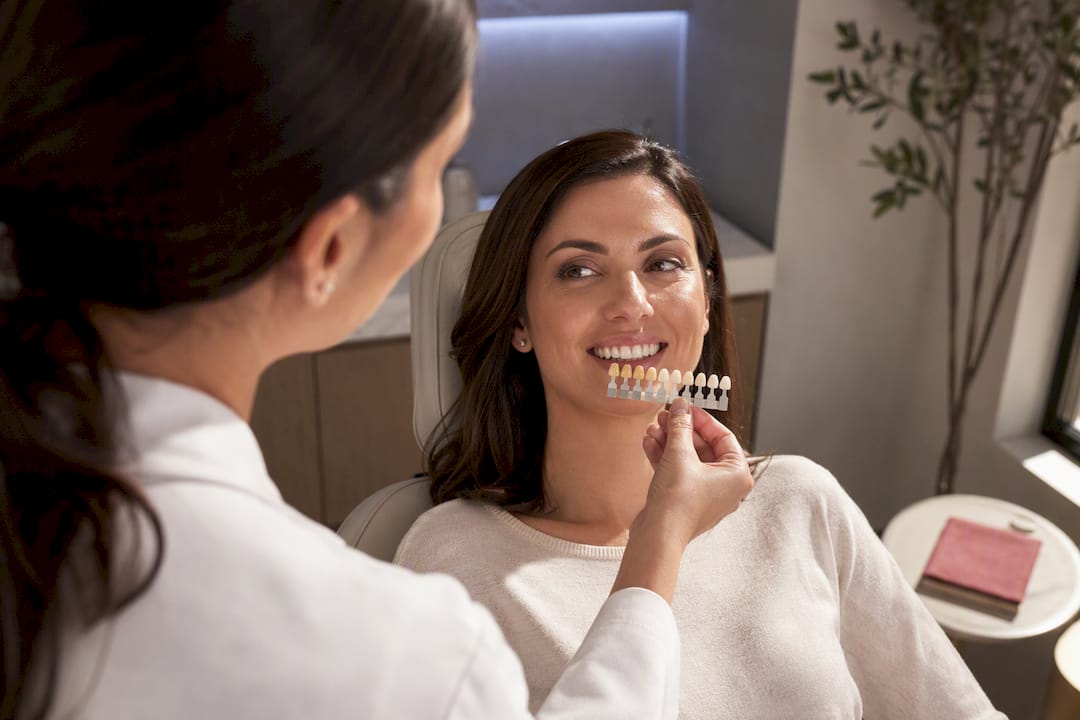
Most teeth-whitening results last anywhere from a few months to a few years, and the method you choose matters more than almost anything else. Professional treatments hold their brightness the longest, often 1 to 3 years, while over-the-counter strips and pens fade in 3 to 6 months. Your daily habits, from coffee intake to smoking, decide exactly where you land in that range.
TL;DR:
Professional whitening treatments last between 1 to 3 years, while over-the-counter options generally fade within 3 to 6 months, depending on habits.
Higher peroxide concentrations in in-office gels produce faster, deeper, and longer-lasting results compared to lower-concentration OTC products.
Regular habits like coffee, wine, or tobacco use accelerate staining, making frequent touch-ups necessary for heavy stainers, especially within six months.
Waiting several months between professional whitening sessions helps protect enamel and reduce sensitivity, with sensitivity usually resolving within a few days.
Maintaining results requires consistent oral hygiene, periodic professional touch-ups, and immediate rinsing or brushing after consuming staining foods or drinks during the first 72 hours.
Table of Contents
How Long Does Teeth Whitening Last by Method?
The gap between professional and drugstore whitening comes down to one thing: peroxide concentration. In-office gels run at roughly 25% to 40% peroxide, dentist-provided take-home trays sit between 10% and 22%, and OTC products cap out around 6% to 10%, according to the ADA NSW teeth whitening information sheet. Higher concentrations lift stains faster and deeper, which is why the results stick around longer.
Here’s how that plays out across the main options you’ll actually consider:
In-office/professional whitening: Lasts about 1 to 3 years and delivers the fastest, most dramatic change, often 6 to 8 shades brighter in a single visit, according to Narre Warren Dental Care.
Dentist-provided custom trays: Typically last several months up to about a year and work well as a maintenance step between bigger treatments.
OTC strips and pens: Usually hold for 3 to 6 months, since the lower peroxide concentration doesn’t penetrate as deeply.
Whitening toothpaste: The shortest window, often 3 to 4 months, because it mostly polishes surface stains rather than bleaching underneath the enamel.
Several dental clinics report a broader range from several months up to multiple years across all methods combined, which lines up with what most patients experience once habits and touch-up schedules are factored in, per Platinum Dental’s overview. The takeaway: convenience and durability trade off against each other. Strips are easy to grab at the pharmacy, but you’ll be repurchasing them every few months. A professional treatment costs more upfront and buys you years, not weeks.
What Makes Whitening Fade Faster or Slower?
Your smile isn’t fading because whitening “wears off” like paint. It’s picking up new stains on top of a result that was never designed to be permanent. That’s an important distinction, and one backed by clinical reviews on tooth whitening, which confirm that whitening effects vary by person and are never permanent.
Extrinsic stains, the kind sitting on the enamel surface, come from what you eat and drink:
Coffee, black tea, and red wine
Berries, curry, and tomato-based sauces
Tobacco, which stains faster and more stubbornly than almost anything else
Intrinsic stains, by contrast, sit deeper in the dentin and respond more slowly to whitening in the first place, so they also tend to reappear more gradually. Enamel thickness plays a role too. Thinner enamel lets more of the yellowish dentin underneath show through as you age, which is why results can look less dramatic (and fade faster) in older patients. Regular professional cleanings help by clearing surface buildup before it has a chance to set in, and professional cleaning before whitening also lets the whitening agent work more evenly across the tooth surface.
Pro Tip: If you’re a heavy coffee or red wine drinker, don’t fight biology. Plan on touch-ups closer to the 6 month mark rather than the 12 month mark, and you’ll avoid ever feeling like your smile “reset” to where it started.
How to Extend Your Whitening Results
Maintenance beats reactivation every time. Once your teeth are whitened, protecting that investment is mostly about small, consistent habits rather than dramatic interventions.
Brush twice daily and floss. Whitening toothpaste or a whitening mouthwash can work as a light touch-up between sessions, but neither replaces the actual whitening agent used in a professional treatment.
Book periodic touch-ups with dentist-provided gel and trays. This is the maintenance backbone most clinics recommend, and heavy stainers should plan on more frequent sessions than someone who rarely drinks coffee or wine.
Reach for OTC boosters only for minor upkeep. They’re reasonable if you just need a slight refresh between professional visits, but if your teeth have visibly darkened, see your dentist instead of stacking strips on top of strips.
Think about total cost over time, not just the sticker price. A single professional treatment followed by occasional professional-grade top-ups often works out more cost-effective than repeatedly buying OTC kits every few months, since longer-lasting results reduce how often you’re paying for whitening at all.
The pattern here is simple: fewer, higher-quality interventions beat frequent, weaker ones.
How Often Should You Whiten Your Teeth Safely?
Give your teeth several months or longer between full professional whitening sessions. That window lets enamel recover and helps keep sensitivity in check, according to Perth City Dental’s guidance on whitening frequency. Your dentist can tighten or loosen that schedule based on how quickly you restain and how your teeth respond.
Sensitivity and mild gum irritation are the most commonly reported side effects, and they’re usually short-lived. Desensitizing toothpaste and steering clear of very hot or very cold food for a day or two after treatment usually settles things down.
Whitening should be postponed if you have active tooth decay, gum disease, or if you’re pregnant. Talk to your dentist first in any of those cases.
By the numbers: In-office gels typically use high peroxide concentrations, dentist trays moderate amounts, and OTC products lower percentages. That concentration gap is also why in-office treatment can produce a several-shade improvement in one session, according to Narre Warren Dental Care, while at-home options build results more gradually.
The First 48 to 72 Hours: Protect Your Result
Enamel is at its most porous for 48 to 72 hours right after whitening, which means it soaks up stains faster than normal during that window. This is the moment where a careless meal can undo part of what you just paid for.
Stick to a white diet for those few days:
Avoid: Coffee, tea, red wine, berries, curry, and tomato-based sauces.
Prefer: White meats, plain rice, pasta with cream or white sauce, water, and milk.
If you can’t avoid a staining food or drink entirely, use a straw where it makes sense, rinse your mouth with water right after, and brush once the immediate risk window has passed.
Pro Tip: Keep a bottle of water on hand for the first three days. Rinsing right after anything remotely pigmented cuts down on how much actually sets into the enamel.

A Clinician’s View on Personalized Whitening Plans
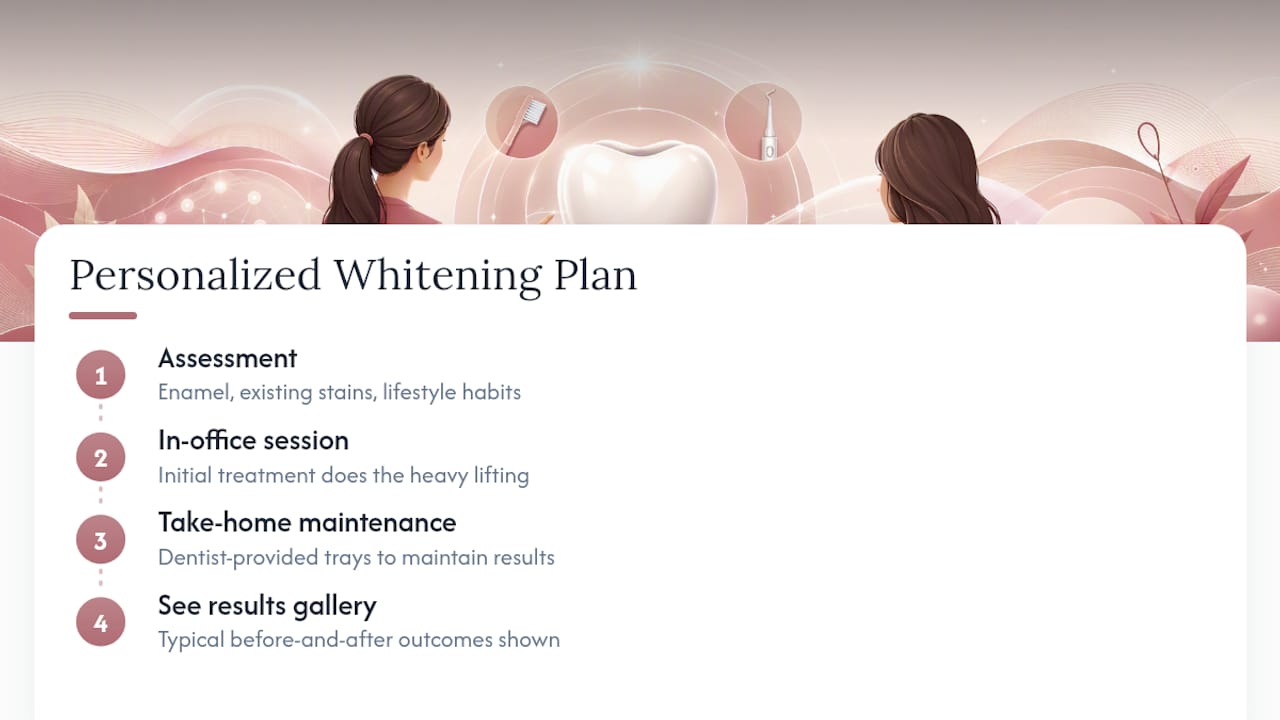
At Fundamentalskin, Chevonne, our Dermal Clinician with 15 years of clinical experience, starts every whitening consultation with an assessment of enamel condition, existing staining, and lifestyle habits before recommending a plan. Combining an in-office session with dentist-provided take-home trays for maintenance tends to give patients the longest-lasting, safest results, since the initial treatment does the heavy lifting and the trays maintain it over time. If you want to see what realistic outcomes look like, our before-and-after gallery shows typical results before you book a teeth whitening consultation.
Why Maintenance Beats Chasing Maximum Whiteness
The biggest mistake people make with whitening isn’t picking the wrong method. It’s chasing a shade that looks unnatural just because it’s technically achievable. A slightly less extreme result that’s easy to maintain will always outperform a blinding white that fades unevenly within months. OTC products win on convenience, professional care wins on durability, and the smartest plan usually blends both. Whatever schedule you land on, run it by your dentist first. They know your enamel and your history better than any generic timeline can.
— chevonne
Ready for Whitening That Actually Lasts?
If you’ve been cycling through drugstore strips every few months and wondering why the brightness never sticks, a supervised approach solves the actual problem: durability. Fundamentalskin’s signature teeth whitening service combines in-clinic treatment with custom take-home trays, so your results are backed by clinician oversight rather than guesswork on peroxide strength.

Chevonne assesses your enamel, staining pattern, and lifestyle before recommending a schedule, whether that’s an in-clinic session on its own or a hybrid plan with periodic touch-ups. You’ll also get access to before-and-after examples so you know what to realistically expect before committing to anything. Book a consultation through our teeth whitening page and get a maintenance schedule built around your habits, not a generic timeline.
This article is general information, not a substitute for advice from a qualified doctor. Consult a qualified healthcare professional about your own circumstances before acting on anything here.
Sources
FAQ
Do teeth go back to normal after whitening?
Teeth gradually restain over time rather than snapping back to their original shade overnight; how fast depends on your diet, habits, and the whitening method you used.
How long do professionally whitened teeth last?
Professional in-office whitening typically lasts 1 to 3 years, according to Narre Warren Dental Care, while dentist-provided take-home trays generally hold for 6 to 12 months.
Is it worth getting teeth whitened?
For most people, yes, especially when paired with a maintenance plan; the higher upfront cost of professional treatment often works out cheaper over time than repeatedly buying OTC kits.
Can yellow teeth be whitened again?
Yes. Whitening can be repeated once teeth have restained, though dentists generally recommend waiting 6 to 12 months between full sessions to protect enamel and manage sensitivity.
Recommended
Comments